סטיווען מיללער באשולדיגט מיניסאוטע אין די וועלפער פראוד סקאנדאל
גאלערי
ווידעאס
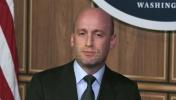
Deputy Chief of Staff for Policy and Homeland Security Advisor Stephen Miller issued one of the strongest condemnations yet regarding the massive welfare fraud scheme uncovered in Minnesota, calling it “the single greatest theft of taxpayer dollars through welfare fraud in American history.” Miller’s remarks reflect growing frustration inside the Trump administration over what officials see as years of systemic negligence—and in some cases outright complicity—within Minnesota’s state government.
According to Miller, the fraud network, rooted within Somali-linked operations in the state, siphoned extraordinary sums of taxpayer money under the guise of social service programs, exploiting weak oversight and politically protected bureaucratic structures. He argued that such a scandal could only grow to this scale if state authorities chose to look the other way.
“We believe the state government is fully complicit,” Miller stated, highlighting what he described as a pattern of political avoidance and refusal by Minnesota officials to confront the issue head-on. His comments point directly at the reluctance of various state leaders to address the scandal, particularly those aligned with Democrat power blocs that have long shielded politically sensitive communities from scrutiny.
Miller also criticized Keith Ellison—whom he referenced pointedly as “Keith X”—for insisting the investigation not be “politicized.” For Miller and others within the administration, that plea is nothing more than an attempt to deflect accountability and stifle public outrage over a fraud network that drained resources intended for vulnerable American families.
The Trump administration, which has repeatedly emphasized restoring integrity to welfare programs and closing loopholes susceptible to abuse, sees the Minnesota scandal as a prime example of what happens when political correctness overrides public responsibility. Officials argue that the state’s failure to confront the problem created an environment where criminal networks operated freely and with minimal fear of consequences.
For the administration’s supporters, Miller’s statement underscores a broader message: safeguarding taxpayer dollars requires transparency, enforcement, and the willingness to confront corruption—no matter how sensitive the political terrain may be. As investigations deepen, pressure continues to mount on Minnesota’s leadership to explain how such an unprecedented fraud operation was allowed to flourish in plain sight.
