דער דורכגאנג פון הארמוז: שטארקע זארגן איבער א גלאבאלע עסן קריזיס ארויסגערופן דורך א מעגליכע איראנער בלאקאדע.
גאלערי
ווידעאס
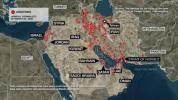
Iran’s effective control over the Strait of Hormuz since late February has sent shockwaves through global markets, raising urgent concerns about a looming food crisis. The strategic waterway, responsible for transporting a significant share of the world’s fertilizer exports, has seen shipments of critical inputs like urea and ammonia come to a halt. This disruption arrives at a particularly sensitive moment, just ahead of the northern hemisphere’s spring planting season for staple crops such as corn, wheat, and rice. As supply tightens, fertilizer prices have surged between 25 and 40 percent, placing immediate pressure on agricultural producers worldwide.
The blockade compounds existing constraints in the global fertilizer market, including export restrictions imposed by Russia on ammonium nitrate and China’s bans on key agricultural inputs. Together, these converging factors have created a supply shock with far-reaching implications for food production. Analysts warn that reduced fertilizer availability will likely lead to lower crop yields in the coming months, exacerbating already fragile food systems. The result could be a significant spike in food prices, particularly in vulnerable regions heavily dependent on imports.
