פלאמען העכער טעהראן
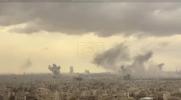
Nighttime footage emerging from Iran’s capital, Tehran, shows the city’s skyline engulfed in multiple plumes of black smoke and towering flames following a wave of air strikes conducted by U.S. and Israeli forces on March 1, 2026. The dramatic scenes, captured from ground and aerial video, provide a stark, visceral depiction of the immediate aftermath of the latest phase of Operation Epic Fury, the joint military offensive launched to dismantle key elements of Iran’s regime, missile infrastructure, and nuclear capabilities amid escalating regional tensions.
According to military and media reports, the coordinated strikes hit targets across Tehran and other Iranian cities as part of a comprehensive effort by U.S. and Israeli forces to neutralize Iran’s strategic military capacity. Satellite and news imagery confirm that thick columns of smoke rose above the skyline shortly after the strikes, illuminating residential and government districts and signaling extensive damage to infrastructure deep within the capital.
The scale of the explosions and subsequent fires reflects the intensity and breadth of the assault, which officials describe as aimed at degrading Iran’s missile systems, air defenses, and nuclear-support facilities. Allied military sources assert the strikes targeted command-and-control centers, hardened missile batteries, and other high-value installations believed to underpin Tehran’s ability to project force regionally.
Iranian state media and civilian footage depict dramatic scenes of smoke curling into the sky, emergency responders working amid chaos, and residents fleeing affected neighborhoods. The release of such imagery underscores not only the material effects of the operation but also the profound impact on Iran’s population and urban centers.
Operation Epic Fury has rapidly escalated since its launch, marking one of the most significant military campaigns in recent Middle East history. Its objectives, articulated by allied military leadership, extend beyond tactical degradation of weapons systems to reshaping the strategic landscape by undermining Iran’s ability to sustain hostile actions against Israel, U.S. forces, and regional partners.
The footage of Tehran’s burning skyline resonates as more than combat visuals; it represents a climactic moment in a widening conflict that has drawn global attention and concerns about regional stability. The images circulating online and through major news outlets have become defining visual documentation of this phase of the conflict, confirming reports of major strikes in the heart of Iran’s capital and raising questions about the broader humanitarian and geopolitical consequences of continued military escalation.
As urban centers like Tehran bear the visible brunt of military action, the international community watches closely, weighing the implications of these strikes for civilian safety, diplomatic options, and the future of the Middle East security environment.
גאלערי
ווידעאס
