די יו-ען אמבאסאדאר וואלץ דרינגט צו גאלף פאראייניקייט קעגן איראן.
גאלערי
ווידעאס
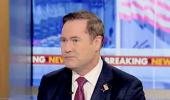
U.S. Ambassador to the United Nations Mike Waltz emphasized the importance of Gulf Arab nations presenting a unified front in condemning Iran’s aggressive actions. In a Fox News interview, Waltz highlighted that this rare consensus, reflected in the March 11, 2026, UN Security Council resolution, marked a significant diplomatic moment, with GCC countries condemning Iran’s drone and missile strikes on Qatar, Bahrain, and other regional states. He stressed that coordinated Gulf responses send a powerful message to Tehran, countering Iran’s longstanding strategy of exploiting regional divisions in conflicts such as Yemen and Sudan. Waltz described the unified stance as an essential component of global pressure aimed at curbing Iranian aggression.
The ambassador linked this diplomatic alignment to upcoming “next round” UN snapback sanctions, designed to extend and intensify the 2025 measures already imposed on Iran. These sanctions are expected to further strain Tehran’s economy, which has faced currency devaluation, rising merchant protests, and internal unrest. Waltz argued that Gulf nations’ visible solidarity amplifies the impact of these sanctions, demonstrating a coordinated effort to hold Iran accountable for destabilizing actions. He emphasized that regional cohesion enhances both political leverage and international credibility in the UN arena.
Waltz framed the Gulf Arab unity as a decisive factor in confronting Iran’s strategic ambitions, noting that Tehran has historically relied on exploiting rivalries among neighboring countries to advance its influence. By presenting a uniform stance, GCC nations are signaling that Iran cannot easily manipulate regional divisions to its advantage. The ambassador stressed that this cohesion serves not only as a diplomatic tool but also as a deterrent against further Iranian military escalations in the Gulf. Analysts agree that such alignment strengthens the international community’s ability to enforce compliance and maintain stability in the region.
The statement also underscores the U.S. commitment to supporting Gulf partners while leveraging multilateral institutions to pressure Iran. Waltz highlighted that coordinated diplomacy, combined with precise sanctions, creates an environment where Tehran faces both political and economic consequences for continued aggression. By reinforcing the connection between regional unity and international enforcement, the ambassador aims to maximize the effectiveness of global measures. Observers see this approach as part of a broader strategy to constrain Iran while promoting security and stability across the Gulf.
