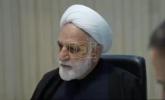
דער הויפט פונעם איראנער יוסטיץ סיסטעם פאדערט דורכצופירן שנעלע עקזעקוציעס אינמיטן די שטרענגע אונטערדריקונג פון די פראטעסטן.
גאלערי
ווידעאס
Iran’s judiciary chief, Gholam-Hossein Mohseni-Eje’i, has ordered an acceleration of executions targeting detained anti-regime protesters, signaling a sharp escalation in the government’s internal crackdown. In statements captured on video, he directed courts to proceed with speed and impose punishments without leniency, particularly for individuals accused of ties to what authorities describe as “enemy groups.” The directive reflects a hardline approach as the Iranian leadership seeks to reassert control following months of unrest. Officials have also indicated that property confiscations will accompany many of the sentences.
The move comes in the aftermath of widespread protests that erupted across Iran in January 2026, challenging the authority of the ruling regime. Demonstrations were fueled by political grievances, economic pressures, and broader dissatisfaction with government policies. Security forces responded with arrests and forceful suppression, leading to a significant number of detainees now facing judicial proceedings. The latest directive suggests a transition from containment to punitive enforcement.
Compounding the situation is the broader regional context, including the recent conflict involving Iran, Israel, and the United States. After weeks of hostilities, a fragile two-week ceasefire was announced in early April, with involvement from Donald Trump and Benjamin Netanyahu. While the ceasefire has reduced external military pressure, Iranian authorities appear to be intensifying internal measures to deter dissent. This dual-track strategy highlights the regime’s focus on maintaining both external and domestic stability.
Legal experts and observers note that the expedited judicial process raises serious concerns about due process and transparency. The directive to move swiftly, combined with instructions for harsh sentencing, suggests limited opportunity for appeals or comprehensive legal defense. Critics argue that such measures are designed to send a strong deterrent message rather than ensure fair adjudication. The emphasis on speed over procedural safeguards has drawn scrutiny from international observers.
As Iran navigates a volatile period marked by both internal unrest and external tensions, the judiciary’s actions signal a decisive and uncompromising stance. The crackdown is likely to have significant implications for civil stability within the country and could influence how the international community engages with Tehran. With executions potentially accelerating, attention will remain focused on how far the regime is willing to go to maintain control. The situation continues to develop rapidly, with both domestic and geopolitical consequences unfolding.
