דעליווערי דורכפאל: עמעזאן דראון לאזט פאלן א פעקל גלייך אריין אין א האט טאב
גאלערי
ווידעאס
קאמישער אינצידענט: אמעזאן דראון לאזט פאלן א פעקל גראד אריין אין א שווים-באסיין אין טעקסאס
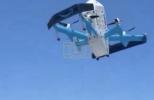
אמעזאן'ס צוקונפטיגע וויזיע פון דעליוועריס דורך דראונס האט געפירט צו א קאמישן און אומבאקוועמען מאמענט, נאכדעם וואס א 'פריימ עיר' דראון האט אראפגעלאזט א קאסטומער'ס פעקל גראד אריין אין א שווים-באסיין (פול) אין א בעקיארד אין טעקסאס. א ווידעא פונעם אינצידענט איז שנעל פארשפרייט געווארן אויפן אינטערנעט, וואו מען זעט ווי דער אטאמאטישער דעליווערי מאשין שוועבט העכער די הויז און לאזט פאלן דאס פעקל אין וואסער אנשטאט אויפן ריכטיגן פלאץ. דער דורכפאל האט פארוואנדלט דעם פראיעקט, וואס האט געזאלט זיין א מוסטער פון שנעלע און אטאמאטישע דעליוועריס, אין א וויירעל דערמאנונג אז אפילו די מערסט פארגעשריטענע טעכנאלאגיע קען מאכן פשוט'ע טעותים.
דער אינצידענט קומט אין א צייט וואס אמעזאן ארבעט אריינצולייגן גרויסע כוחות צו פארברייטערן זייער 'פריימ עיר' פראגראם. די קאמפאני האט לעצטנס געמאלדן פלענער צו ברענגען דראון דעליוועריס צו קרוב צו 500 שטעט און שטעטלעך איבער אמעריקע ביז ענדע יאר 2026. לויט אמעזאן, קענען זייערע נייע 'MK30' דראונס טראגן פעקלעך וואס וועגן ביז פינף פונט, און זיי נוצן ספעציעלע סענסארס און טעכנאלאגיע זיך צו קאנטראלירן און אויסמיידן אפהאלטן בעפארן אראפלאזן דאס פעקל ביים באשטימטן ארט. די קאמפאני פראמאוט דעם סיסטעם אלס א שנעלערע וועג צו דעליווערן געוויסע פראדוקטן, מיט א ציל אז טייל דעליוועריס זאלן אנקומען אין ארום 30 מינוט.
אבער דער פול-דורכפאל ברענגט ארויס א פראבלעם וואס איז שווער צו לייזן בלויז מיט סאפטווער: די לעצטע פאר פיס פונעם דעליווערי קענען זיין פונקט אזוי וויכטיג ווי די פלי-רייזע זעלבסט. באריכטן צייגן אן אז די ווינט פון די פראפעלערס און די שוועריגקייטן פון פונקטליך פאזיציאנירן א פעקל קענען ביישטייערן צו אזעלכע דורכפעלער. דערצו קענען אפשפיגלענדע פלאכן, ווי צום ביישפיל א פול מיט וואסער, צומישן די סענסארס פונעם דראון. דאס איז נישט דער ערשטער פראבלעם פאר אמעזאן; אין פעברואר איז א 'פריימ עיר' דראון אריינגעקראכט אין אן אפארטמענט געביידע אין נארט טעקסאס, כאטש קיינער איז ברוך השם נישט פארוואונדעט געווארן אין יענעם פאל.
דער וויירעל דורכפאל ברענגט ארויף אן אומבאקוועמע פראגע פאר אמעזאן, בעת זיי גרייטן זיך ארויסצולייגן פיל מער דעליווערי דראונס אין אמעריקאנער געגנטער: ווי ווייט קען מען זיך פארלאזן אויף אטאמאטישע דעליוועריס ווען די לעצטע סטאפ איז ארומגענומען מיט פולס, ביימער, עלעקטריק ווייערס און אנדערע אפהאלטן?
אמעזאן טענה'ט אז זיכערהייט בלייבט זייער הויפט פריאריטעט און זיי האבן אינוועסטירט שווערע געלטער אין אטאמאטישע נאוויגאציע און טעסטס, אבער יעדע אזא פובליק דורכפאל גיט פאר קריטיקירער נאך א סיבה צו פרעגן צי די טעכנאלאגיע איז טאקע גרייט פארן ברייטן פובליק. ווי די קאמפאני רוקט זיך פאראויס צו הונדערטער נייע לאקאציעס, וועט דער חילוק צווישן א צוקונפטיגע באקוועמליכקייט און א טייערע פעקל-ראטעווען אקציע זיך ווענדן אין דעם צי דער דראון קען פונקטליך דערקענען וואו יא - און וואו נישט - אראפצולאזן דעם באקס.
