צה"ל אטאקירט איראן צוויי מאל איבערנאכט
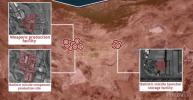
The Israel Defense Forces carried out two major overnight waves of airstrikes in Tehran and central Iran, targeting dozens of military sites connected to weapons production and ballistic missile operations. According to Israeli reports, the strikes hit missile factories, storage facilities, and personnel tied to Iran’s launch infrastructure. The operation was presented as a preemptive move aimed at disrupting potential missile attacks before they could be launched toward Israel. Israeli military statements described the targets as critical parts of Iran’s broader missile production and deployment network.
In Tehran, the strikes focused on weapons factories and facilities used to develop components for ballistic missiles. Additional strikes in central Iran reportedly targeted storage sites and operational assets linked to missile units. Israeli officials said the attacks were guided by intelligence indicating preparations for further Iranian launches, reinforcing the argument that immediate action was necessary to degrade the threat.
The operation fits into the broader campaign launched on February 28, as U.S. and Israeli forces intensified efforts to dismantle Iran’s nuclear and missile capabilities. Israeli outlets reported that more than 130 regime-linked sites were hit in the latest phase of operations, underscoring the scale of the campaign. By sustaining pressure on production centers and storage hubs, Israel is signaling that it intends to deny Iran the ability to rebuild or reposition strategic weapons under the cover of continued conflict.
The attached video, which uses animated maps to illustrate the strike paths and target zones, is designed to emphasize both precision and planning. That presentation supports Israel’s message that the airstrikes were not random, but part of a deliberate effort to hit core infrastructure tied to missile manufacturing and deployment. In a war increasingly defined by rapid escalation and long-range threats, such visuals also serve a strategic purpose by reinforcing deterrence and public confidence.
These overnight strikes highlight how the conflict has moved deeper into Iran’s military backbone, with Israel now openly targeting the systems that sustain Tehran’s offensive reach. Supporters of the campaign argue that this kind of preemptive pressure is essential to protect Israeli civilians and weaken the regime’s capacity to prolong the war. As Iran continues to threaten additional missile fire, Israel is making clear that it will answer launch preparations with direct and overwhelming force.
גאלערי
ווידעאס
