טראמפ נאמינירט קעווין ווארש אלס פירער פון די פעדעראלע רעזערוו.
גאלערי
ווידעאס
President Donald Trump announced on January 30, 2026, his nomination of Kevin Warsh to serve as Chairman of the Federal Reserve, signaling a decisive shift in U.S. monetary leadership as inflation and economic stability remain central concerns. Praising his nominee, Trump described Warsh as “very smart, very good, strong,” adding that he believes Warsh “is going to do good” in the role.
Warsh is set to replace current Federal Reserve Chair Jerome Powell when Powell’s term concludes in May. The nomination revives a familiar figure in U.S. economic policy circles, as Warsh previously served on the Federal Reserve Board from 2006 to 2011 and was considered for the Fed chairmanship during Trump’s first term in 2017. His return reflects the president’s preference for experienced leadership and a firm approach to economic management.
Known for his outspoken criticism of loose monetary policy, Warsh has long argued that prolonged low interest rates contribute to inflationary pressure and market distortions. He has consistently advocated for more aggressive and timely rate hikes to restore price stability, a stance that aligns closely with President Trump’s emphasis on controlling inflation and strengthening the dollar.
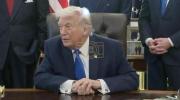
A video clip from the White House shows Trump speaking warmly about Warsh, referring to him as “central casting” and underscoring their prior working relationship. The president emphasized Warsh’s decisiveness and intellectual strength, framing the nomination as part of a broader effort to restore confidence in U.S. economic leadership.
The nomination now heads to the Senate for confirmation, where Warsh’s views on inflation, interest rates, and Federal Reserve independence are expected to receive close scrutiny. Supporters argue that his experience and willingness to confront inflation directly make him well-suited for the moment, while critics are likely to question how a more assertive Fed stance could affect growth and financial markets.
If confirmed, Warsh would assume leadership of the Federal Reserve at a pivotal time for the U.S. economy, with markets, businesses, and households closely watching how the central bank navigates inflation, interest rates, and long-term economic stability under new leadership.
