מדינת ישראל פארניכטעט 500 איראנער צילן אין לעצטיגע אפעראציע.
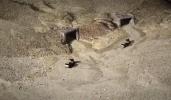
The Israel Defense Forces carried out the largest aerial operation in its history on February 28, 2026, deploying approximately 200 Israeli Air Force fighter jets in a coordinated campaign against Iran’s missile infrastructure and air defense network. The operation, conducted under the framework of Operation Roaring Lion, targeted more than 500 Islamic Revolutionary Guard Corps sites across western and central Iran, including missile launchers, radar installations, and surface-to-air defense systems. Israeli military officials stated that the strikes were the result of months of intelligence preparation and real-time surveillance, enabling simultaneous precision engagements across multiple regions.
According to IDF assessments, the objective was to degrade Iran’s strategic strike capability and establish sustained aerial superiority over key corridors of Iranian airspace. By neutralizing layered air defense systems and long-range missile platforms, the Israeli Air Force sought to reduce the threat posed to Israeli population centers and critical infrastructure. Military analysts noted that the scale and synchronization of the operation required advanced electronic warfare support, aerial refueling coordination, and integrated command-and-control systems capable of managing hundreds of aircraft in contested airspace.
Satellite imagery and open-source intelligence have indicated extensive damage to facilities near Tabriz and other strategic locations, consistent with Israeli claims of high-accuracy, intelligence-driven targeting. The operation represents a significant escalation in the long-running shadow conflict between Israel and Iran, shifting from proxy engagements to direct strikes on core military assets inside Iranian territory. Israeli officials framed the action as a defensive necessity aimed at preempting future missile barrages and limiting Iran’s ability to arm regional proxy groups.
The strikes occurred amid intensified U.S.-Israel security coordination, with American force deployments in the region providing strategic deterrence and logistical depth. While U.S. officials have emphasized that Israel conducted the operation independently, the broader alignment underscores a shared objective of preventing Iran from expanding its missile and nuclear capabilities.
Iran responded with retaliatory attacks that struck civilian areas in Israel, including Beit Shemesh, resulting in multiple fatalities and injuries. Iranian-aligned forces also launched attacks against U.S. installations across the region, targeting dozens of bases in a demonstration of Tehran’s capacity to escalate through both direct and proxy channels. The exchange has heightened concerns among international observers about the potential for a wider regional conflict.
Reports of the death of Supreme Leader Ali Khamenei have further intensified uncertainty within Iran, triggering a period of national mourning and sparking internal and external debate over the country’s political future. The leadership vacuum, combined with the damage to key military infrastructure, introduces significant strategic volatility, with potential implications for Iran’s command structure and regional posture.
From Israel’s perspective, the operation marks a turning point in its doctrine of preemptive defense, demonstrating the capability to conduct large-scale, high-precision strikes deep inside hostile territory while maintaining operational coordination across air, cyber, and intelligence domains. The IDF has indicated that it will continue to act to prevent the entrenchment of advanced missile systems that threaten Israeli citizens.
As the situation evolves, the balance between deterrence and escalation remains fragile. The unprecedented scale of the air campaign, the subsequent retaliatory attacks, and the uncertainty surrounding Iran’s leadership create a fluid strategic environment in which further military, diplomatic, and political developments are likely in the immediate term.
גאלערי
ווידעאס
