טויטלעכע גאז טאנקער עקספלאזיע אין סאנטיאגא הרגעט פיר.
גאלערי
ווידעאס
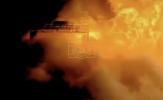
A catastrophic liquefied gas tanker explosion in Renca, Santiago, on February 20, 2026, left four people dead and at least seventeen others injured after the vehicle overturned on a major highway and ignited a massive fireball that engulfed nearby traffic. Surveillance footage captured the sequence of events, showing the tanker losing stability, tipping onto its side, and releasing a vapor cloud that detonated moments later, sending flames across multiple lanes and trapping surrounding vehicles.
Chilean emergency services responded rapidly, deploying fire crews, medical teams, and law enforcement units to contain the blaze and evacuate civilians from the immediate area. Authorities confirmed that several of the injured suffered severe burns and were transported to specialized treatment centers, while hundreds of motorists and nearby residents were moved to safety as a precaution against secondary explosions. The swift perimeter control and fire suppression efforts were credited with preventing the incident from escalating into a larger urban disaster in one of the capital’s densely trafficked corridors.
Initial reports had listed three fatalities, but officials later revised the death toll to four as recovery operations continued and medical assessments were completed. Investigators are now examining potential mechanical failure, roadway conditions, and driver response in the moments leading up to the crash, as well as compliance with hazardous materials transport protocols. The transport of liquefied petroleum gas carries inherent risks due to its high flammability and the potential for vapor cloud explosions when containment is breached.
The blast caused extensive damage to dozens of vehicles and disrupted transportation across the affected sector of Santiago, with authorities closing sections of the highway to facilitate forensic analysis and debris removal. Structural assessments are also being conducted on nearby infrastructure exposed to extreme heat to ensure long-term safety.
Incidents involving fuel and gas transport in urban environments highlight the critical importance of strict safety standards, route planning, and emergency preparedness. While such accidents remain statistically rare, their high-impact nature demands rigorous oversight and continuous review of regulatory frameworks governing hazardous cargo movement.
As Chilean officials continue their investigation, the focus remains on supporting victims and their families while determining the precise chain of events that led to the explosion. The tragedy underscores both the destructive potential of industrial transport accidents and the vital role of coordinated emergency response in mitigating loss of life.
