די IAF האט אטאקירט 200 חיזבאללה צילן אין דרום לבנון אין די לעצטע 24 שעה.
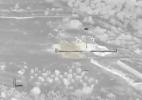
The Israeli Air Force carried out more than 200 strikes against Hezbollah targets in southern Lebanon over the past 24 hours, according to official statements from the Israel Defense Forces. The operation targeted a wide range of assets, including operatives, buildings used by the group, and approximately 20 rocket launchers linked to recent attacks on Israel. The scale of the strikes underscores a sustained effort to degrade Hezbollah’s operational capacity near the border. Military officials emphasized that the campaign is focused on neutralizing immediate threats and preventing further rocket fire.
Footage released alongside the announcement provides a detailed look at the strikes, showing aerial targeting systems locking onto structures before impact. The black-and-white visuals feature crosshairs tracking buildings identified as Hezbollah sites, followed by large explosions and rising smoke plumes. These images are consistent with precision strike operations designed to eliminate specific targets while maintaining operational control. The use of such footage also serves to demonstrate the accuracy and coordination of Israeli air operations.
Notably, the IDF confirmed that no strikes have been conducted in Beirut or deeper inside Lebanese territory over the past week. This indicates a deliberate strategic decision to concentrate military activity within southern operational zones, where Hezbollah’s rocket infrastructure is most active. By avoiding broader geographic escalation, Israel appears to be balancing its tactical objectives with efforts to contain the conflict. This approach may also reflect ongoing diplomatic considerations alongside military operations.
The continued focus on southern Lebanon highlights the central role of this region in the ongoing 2026 Israel-Hezbollah conflict. As cross-border exchanges persist, Israeli forces are maintaining pressure on Hezbollah’s frontline capabilities while limiting expansion into more sensitive regions. Analysts view this as part of a calculated strategy to weaken the group without triggering a wider regional confrontation. The situation remains fluid, with further developments expected as both sides continue to engage militarily and strategically.
גאלערי
ווידעאס
