באליסטישע ראקעטן אראפגעווארפן העכער יהודה און שומרון.
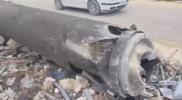
An Iranian ballistic missile was successfully intercepted by Israeli air defense systems before crashing in the area of Beita, south of Nablus in Judea and Samaria, with no injuries reported. Video from the scene shows large fragments of metal debris scattered across open ground and near parked vehicles, as local residents gathered to inspect the remnants following the interception.
The incident occurred during a broader Iranian missile barrage that involved approximately 170 ballistic projectiles launched toward Israeli territory in response to recent U.S.-Israeli strikes on Iranian military infrastructure. Israeli defense networks, including layered interception systems, were credited with neutralizing the majority of incoming threats, preventing significant damage and casualties across multiple regions.
Military analysts note that intercepted ballistic missiles can still pose risks when debris falls to the ground, particularly in populated areas. The absence of injuries in this case underscores both the effectiveness of the interception and the role of early warning systems that allow civilians to seek shelter during incoming attacks. Israeli authorities have repeatedly emphasized the importance of these defensive measures in mitigating the impact of large-scale missile salvos.
The landing of missile fragments in the West Bank also highlights the wide geographic footprint of the interception envelope, as defensive engagements often occur at altitude and can result in debris dispersal beyond the intended target zone. Security forces typically secure such sites to prevent tampering with potentially hazardous materials and to collect technical intelligence on the intercepted weapon.
This episode forms part of an escalating cycle of direct exchanges between Israel and Iran, marking a departure from years of predominantly proxy-based confrontation. While the successful interception prevented casualties, the scale of the missile barrage illustrates the continuing threat posed by Iran’s long-range strike capabilities and the critical role of missile defense in protecting civilian populations.
Israeli officials have indicated that defensive readiness remains high as the situation develops, with continued monitoring of potential follow-on launches and coordination across air defense units. The interception over Beita serves as another example of the ongoing effort to counter ballistic threats while minimizing harm to civilians across the region.
גאלערי
ווידעאס
