די מארקעטס רודערן: די אנגעצויגנקייט צווישן אמעריקע און איראן האט געברענגט די אויל פרייזן צו פאלן דראסטיש איבערנאכט.
גאלערי
ווידעאס
Trump Seals Explosive Iran Ceasefire, Sends Oil Prices Into Freefall
In a seismic geopolitical breakthrough, President Donald Trump has brokered a landmark ceasefire agreement with Iran that is already sending shockwaves through global energy markets. Oil prices plummeted more than five percent to three-month lows, with Brent crude and WTI both trading in the $75–$82 per barrel range as traders rushed to price in the prospect of more stable energy supplies. The deal — the culmination of months of intense, behind-the-scenes diplomacy — suspends all military operations, lifts naval blockades, and commits Tehran to nuclear non-proliferation under full International Atomic Energy Agency oversight. For American families struggling at the pump, this could not have come at a better time.
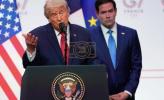
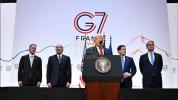
The agreement launches an aggressive 60-day sprint toward a permanent settlement, with a detailed 14-point de-escalation and reconstruction framework at its core. Key provisions include the reopening of the strategically vital Strait of Hormuz, the easing of crippling sanctions, the release of frozen Iranian assets, and the immediate resumption of nuclear talks. Iranian President Pezeshkian was photographed signing the historic document as world leaders gathered at the G7 summit, where President Trump left no ambiguity about the stakes — declaring bluntly that if a final agreement is not reached within 60 days, the United States will, in his words, "go back to bombing." Wall Street responded with a broad market rally, reflecting renewed investor confidence in a more stable Middle East energy corridor.
While the immediate economic signals are unmistakably positive, seasoned analysts caution that full normalization of global fuel prices could take months as oil producers ramp up output to meet anticipated demand. The inherently temporary nature of the ceasefire means that renewed tensions remain a real possibility should negotiations break down before the deadline. Nevertheless, the Trump administration is openly celebrating the deal as a decisive strategic victory — a framework for a permanent truce after months of devastating conflict that paralyzed international shipping and rattled energy markets worldwide. Whether this 60-day window ultimately delivers a lasting peace or collapses under the weight of hard-line demands, one thing is clear: Trump has once again redrawn the map of Middle Eastern geopolitics.