צה"ל לאונטשט פרישע לופט אטאקעס אויף ביירוט.
גאלערי
ווידעאס
According to preliminary assessments, dozens of Hezbollah operatives and personnel may have been killed during the operation. The strikes are part of a coordinated effort by Israel to degrade the militant group’s command-and-control capabilities and limit its ability to launch attacks against Israeli territory.
The IDF’s operation has forced significant civilian displacement. Evacuation orders have been issued for over 95,000 residents in affected areas, reflecting both the intensity of the airstrikes and Israel’s stated efforts to minimize civilian casualties while targeting combatant infrastructure. Humanitarian organizations have reported that many families are seeking temporary shelter outside Beirut, creating an urgent need for support and resources.
This new wave of strikes follows earlier operations aimed at disrupting Hezbollah’s operational network, which has long relied on fortified positions and underground facilities within densely populated urban areas. Analysts note that Hezbollah’s reliance on urban strongholds presents both a challenge for air operations and a potential risk for civilian populations, requiring precise targeting and intelligence-driven execution.
The escalation in Beirut is closely connected to broader regional dynamics involving Iran-backed proxy forces. Hezbollah serves as a key component of Tehran’s network of influence across the Middle East, coordinating attacks and transferring military capabilities to other allied groups. Israeli officials have repeatedly emphasized that degrading Hezbollah’s infrastructure is essential to preventing further attacks against Israel and ensuring regional stability.
The March 7 strikes are the latest in a series of retaliatory and preemptive actions carried out by Israel in response to ongoing threats from Hezbollah and allied Iranian proxies. The IDF has indicated that additional operations may continue as necessary to neutralize strategic targets and secure Israel’s borders against potential attacks.
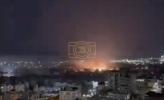
The video footage accompanying the reports from Dahiyeh provides a stark visual account of the ongoing operation, showing sustained explosions and widespread damage to targeted structures. Military analysts suggest that the operation’s precision and scale highlight Israel’s emphasis on intelligence-led air campaigns designed to maximize impact on combatants while mitigating civilian risk.
As the situation develops, both regional observers and international actors are monitoring the humanitarian and security implications of the strikes. The IDF continues to assert that operations will focus strictly on Hezbollah’s military infrastructure, while Lebanese authorities and aid organizations coordinate evacuation and relief efforts for displaced residents.
The latest wave of airstrikes underscores the intensity of the 2026 Hezbollah-Israel conflict and highlights the ongoing challenge Israel faces in countering Iranian-backed proxy networks embedded within urban environments. The strikes in Dahiyeh are expected to have a significant impact on Hezbollah’s operational capabilities while signaling Israel’s continued commitment to defending its territory and civilians from cross-border threats.
