סעטעלייט בילדער פון אפריל 10 צייגט אז איראן רוקט זיך אויפבויען פרישע אונטער ערדישע מיסל באזעס
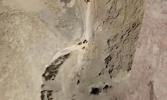
New satellite imagery dated April 10 has intensified scrutiny over Iran’s ability to rapidly recover from recent airstrikes targeting its missile infrastructure. The visuals, reportedly captured near Khomein, show active efforts to clear rubble from the entrances of an underground missile facility. These entrances were among the primary targets of U.S. and Israeli strikes, aimed at disrupting Iran’s operational capabilities. However, early indications suggest that the deeper, fortified infrastructure embedded within the mountain remains largely intact.
The distinction between surface-level damage and subterranean resilience is central to the evolving assessment of these strikes. While access points appear to have been successfully hit, the core components of the missile base—often referred to as part of Iran’s “missile city” network—are designed to withstand such attacks. Built deep within mountainous terrain, these facilities are engineered for durability and concealment, allowing operations to continue even after external damage. This structural advantage significantly reduces the long-term impact of conventional airstrikes.
Analysis accompanying the footage argues that Iran’s recovery timeline may be far shorter than initially anticipated. Rather than requiring months to rebuild, the clearing of entryways could allow for resumed activity within days. This raises concerns about the effectiveness of strategies that focus primarily on disabling access rather than neutralizing the entire համակարգ. It also underscores the challenge of targeting deeply buried military assets without sustained or specialized operations.
The developments highlight broader strategic implications in the context of ceasefire dynamics and regional security. If Iran can quickly restore functionality to its missile infrastructure, it may retain a significant portion of its deterrence capability despite recent strikes. This reality complicates efforts to achieve lasting degradation of such systems through limited engagements. As analysts continue to evaluate the imagery, the situation underscores the persistent challenge of countering hardened underground networks in modern warfare.
גאלערי
ווידעאס
