איראנע פירער סטראשעט אמעריקאנע לופט ליניעס
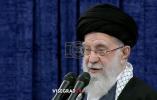
Iran’s Supreme Leader Ayatollah Ali Khamenei escalated tensions with the United States by declaring that Iranian forces could sink American aircraft carriers deployed toward the region, while asserting that President Donald Trump—like previous U.S. leaders—would fail to overthrow the Islamic Republic. The remarks were delivered in a televised address on February 17 as indirect nuclear negotiations in Geneva move forward against a backdrop of increased U.S. military presence in the Persian Gulf.
Khamenei’s rhetoric reflects a familiar pattern in which Tehran pairs diplomatic engagement with defiant public messaging aimed at domestic audiences and foreign adversaries. By focusing on U.S. carrier strike groups, he targeted one of Washington’s most visible symbols of power projection, attempting to reframe the balance of deterrence in Iran’s favor. Iranian military doctrine emphasizes asymmetric naval tactics, including anti-ship missiles, fast-attack craft, naval mines, and drone swarms designed to challenge large surface vessels in confined waters such as the Strait of Hormuz.
The United States recently positioned an additional carrier in the region as part of a broader force posture intended to protect allied assets, ensure freedom of navigation, and reinforce deterrence during negotiations. From Washington’s perspective, the deployment is defensive and signals readiness to respond to any escalation. Iranian officials, however, routinely characterize such movements as provocations, using them to justify their own military messaging.
Khamenei’s claim that American efforts to pressure Iran will fail echoes decades of regime narratives centered on resistance and strategic endurance. By invoking past administrations, he sought to portray continuity in Iran’s defiance while framing current negotiations as occurring on Tehran’s terms. This messaging is designed to strengthen internal cohesion and signal to negotiating partners that Iran will not concede under threat.
Defense analysts note that while Iran possesses a range of anti-ship capabilities, successfully sinking a U.S. aircraft carrier would represent an unprecedented escalation with profound regional and global consequences. The statement is therefore widely interpreted as political signaling rather than an operational declaration, intended to influence perceptions of risk rather than announce imminent action.
The timing of the speech—coinciding with sensitive diplomatic talks—adds another layer of complexity to the negotiating environment. Public threats can harden positions on both sides, reducing flexibility and increasing pressure on negotiators to demonstrate toughness. At the same time, the continuation of dialogue indicates that neither party views rhetoric alone as a barrier to engagement.
For U.S. policymakers, the challenge remains balancing diplomatic outreach with credible deterrence. The administration’s current approach combines military readiness, alliance coordination, and conditional negotiation channels aimed at preventing Iran from advancing toward nuclear weapons capability. Iranian leadership, meanwhile, continues to leverage rhetoric and regional posture to project resilience and maintain bargaining leverage.
As the Geneva discussions proceed, the interplay between public statements and military deployments will shape both the tone and the substance of the talks. Khamenei’s warning underscores the volatile environment in which diplomacy is unfolding, where strategic messaging, deterrence calculations, and domestic political considerations intersect in real time.
גאלערי
ווידעאס
