סענטקאם געבט ארויס א פרישע ווידיאו פון אטאקעס אויף איראן
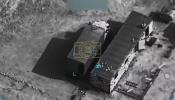
Talk of negotiations has not stopped the United States from continuing its military campaign against Iran, and new footage released by CENTCOM makes that unmistakably clear. The newly published video shows infrared-guided strikes hitting Iranian military positions, including vehicles, drone-related targets, and naval assets linked to threats in the Persian Gulf. The footage reinforces Washington’s message that while diplomacy may be under discussion, combat operations against Tehran’s war-fighting capabilities are still very much underway. It also reflects the Trump administration’s position that any diplomatic opening will come only under sustained pressure.
The release follows President Donald J. Trump’s recent decision to pause strikes on Iranian energy infrastructure for five days after what he described as productive discussions with Iranian interlocutors. But that pause was narrowly focused and did not apply to broader military targets, allowing CENTCOM to keep striking missile sites, drones, naval platforms, and other regime-linked assets. In practical terms, the message is simple: the United States may be testing a diplomatic channel, but it has not eased up on the battlefield. The new footage is designed to show both allies and adversaries that American force remains active, precise, and relentless.
The scale of the campaign has become enormous since the conflict began on February 28, 2026. Reports citing CENTCOM say U.S. forces have now struck more than 9,000 Iranian targets and flown more than 9,000 combat sorties as part of Operation Epic Fury. Those operations have also heavily damaged Iran’s naval capacity, with more than 140 Iranian vessels reportedly damaged or destroyed. The campaign has focused on immediate military threats while trying to avoid some targets, including key energy infrastructure, that could trigger even broader global economic fallout.
The latest footage therefore serves both as battlefield evidence and as strategic signaling. It shows that negotiations, if they exist at all, are happening alongside sustained military action rather than in place of it. For supporters of the administration’s approach, that is the point: pressure first, diplomacy second, and no relief for the regime until it demonstrates real concessions. As long as Iran’s military assets remain in play and the conflict continues to threaten regional security, CENTCOM’s strikes are likely to remain a central instrument of U.S. policy.
גאלערי
ווידעאס
