נתניהו זאגט אז מדנ"י האט געווינען די מלחמה אבער שטייט פאר א סכנה
גאלערי
ווידעאס
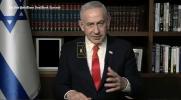
Prime Minister Benjamin Netanyahu has delivered one of his clearest and most unfiltered assessments yet of Israel’s regional struggle, describing the recent conflict as a multifront war against not only Hamas but the entire Iran-backed “axis of resistance.” In his remarks, Netanyahu named each component of this network: Hezbollah in Lebanon, the Assad regime in Syria, Iranian-backed militias in Iraq, the Houthi movement in Yemen, and Iran itself. According to the prime minister, Israel was forced to confront all of them simultaneously—and succeeded.
“It was clear to me that we were not only fighting Hamas,” Netanyahu said. “We were fighting Hezbollah, we were fighting the Assad regime, we were fighting the militias in Iraq, we were fighting the Houthis, we were fighting Iran. And we did. We won this war.”
Netanyahu framed the victory as real but not final, stressing that Israel’s enemies operate as a coordinated network with shared ideology, shared direction, and shared Iranian backing. Even with battlefield successes, he cautioned, Israel’s security challenge does not end because the threat itself is designed to regenerate.
He likened the conflict to battling a recurring cancer—a stark metaphor intended to emphasize the need for constant vigilance. “It’s never-ending,” he said. “If you have cancer and you take it out, it can still come back… but if you don’t take it out, you die. So we took it out.”
The message reflects Netanyahu’s long-standing view that Israel’s wars are interconnected fronts of a single strategic confrontation with Iran. By portraying these battles as one unified war, Netanyahu underscores a broader point: Israel’s fight for security is not episodic but continuous, requiring readiness, resilience, and a willingness to strike preemptively when necessary.
For supporters of Israel’s defense doctrine, Netanyahu’s comments reaffirm the necessity of confronting Iran’s regional network head-on and preventing militant groups from rebuilding or rearming. They also highlight Israel’s determination to deny Tehran any foothold that could threaten Israeli civilians or destabilize the broader Middle East.
Netanyahu’s declaration of victory is both a message of strength and a warning. Israel may have subdued the latest wave of threats, but the underlying danger persists—and only sustained resolve, he argues, will keep the country safe from forces committed to its destruction.
