בס"ד
יוניפיל פארדאמט מדינת ישראל פענער אין דרום לבנון, אבער מאכט א שווייג איבער חיזבאללא'ס טעראר אקטיוויטעטן
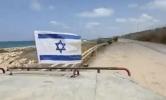
נאכדעם וואס עס זענען ארויסגעקומען בילדער און ווידעאוס ווי מען זעט מדינת ישראל פענער פלאטערן אויפן באקאנטן נאקורה-צור קאוסטעל ראוד און אינעווייניג אין דעם דארף נאקורה אין דרום לבנון, האט די יו-ען שלום-טרופן אגענטור "יוניפיל" (UNIFIL) ארויסגעשטעלט א שארפע קריטיק.
יוניפיל טענה'ט אז די פענער זענען א פארלעצונג פון די יו-ען זיכערהייט קאונסיל רעזאלוציע 1701, און זיי האבן געפאדערט פון אלע זייטן זיך צוריקצוהאלטן פון "פראוואצירנדע אקציעס". די יו-ען אגענטור האט אבער אויסגעקליבן צו פאקוסירן זייער סטעיטמענט בלויז אויף די מדינת ישראל סימבאלן, אנשטאט צו אדרעסירן דעם אמת'ן פראבלעם - די טעראר אקטיוויטעטן וואס האבן אריינגעברענגט די צה"ל קרעפטן אין דעם ראיאן מלכתחילה.
די נייעס אגענטור 'רויטערס' האט באשטעטיגט די לאקאציע פונעם ווידעא, כאטש זיי האבן נישט געקענט קאנפירמען פונקטליך ווען עס איז רעקארדירט געווארן. דער עפיזאד ברענגט נאכאמאל ארויס דעם ריזיגן אונטערשייד צווישן יוניפיל'ס פריאריטעטן און די רעאליטעט פון חיזבאללא'ס איינגעריסענע אנוועזנהייט דרום פונעם ליטאני טייך.
די צה"ל האט קלארגעשטעלט אין א רעאקציע אז אירע זעלנער אפערירן אין דרום לבנון בלויז מיט איין ציל: צו עלימינירן די טעראר סטראשע פון חיזבאללא, און דאס ווערט געטאן אין פולן איינקלאנג מיט אינטערנאציאנאלע געזעצן. באאמטע האבן אונטערגעשטראכן אז מדינת ישראל צילט נישט די לבנון רעגירונג אדער אירע ציווילע בירגער.
דאס ארויפשטעלן די פענער צייגט פשוט די אקטיווע אנוועזנהייט פון די מיליטער אין זאנעס וואס די איראן-געשטיצטע טעראר גרופע האט פאר יארן לאנג פארוואנדלט אין א פאדערשטע מיליטערישע באזע, אנגעפילט מיט וואפן און אינפראסטרוקטור - א דירעקטע פארלעצונג פון רעזאלוציע 1701. עס ברענגט ארויס א שטארקע פראסטראציע ביי פילע, זעענדיג ווי יוניפיל'ס שארפסטע רעאקציע קומט ארויס קעגן א פאן, בעת זיי מאכן זיך נישט וויסנדיג פון די אומלעגאלע מיליטערישע אקטיוויטעטן פון חיזבאללא אונטער זייער נאז.
רעזאלוציע 1701 האט געזאלט פארוואנדלען דרום לבנון אין א דעמיליטאריזירטע זאנע, ריין פון טעראר גרופעס. אבער חיזבאללא האט אפן געשפיגן אויף די רעזאלוציע זינט 2006. די יעצטיגע מיליטערישע אפעראציעס זענען געצילט אפצושטעלן די אטאקעס אויף די ישובים אין צפון ארץ ישראל. דאס פלאטערן פון די פענער סימבאליזירט אז די צה"ל גייט נישט נאכגעבן קיין טערעטאריע פאר א טעראר ארגאניזאציע וואס נוצט לבנון אלס א באזע ארויסצושוסן ראקעטן.
קריטיקירער פון יוניפיל ווייזן אן אז די יו-ען קראפטן פארברענגען מער צייט און ענערגיע צו פאליצירן מדינת ישראל'ס שריט, ווי צו קאנפראנטירן די שווער-באוואפנטע טעראריסטן וואס שטעלן באמת אין געפאר דעם גאנצן ראיאן.
בעת די צה"ל אקטיוויטעטן גייען אן אין פולן קראפט אין דרום לבנון, צייגט די יעצטיגע קריטיק איבער די פענער די טיפע היפאקריטיע פון די אינטערנאציאנאלע געמיינדע. מדינת ישראל האלט זיך ביי דאס אייגענע אז דאס אויסרייסן חיזבאללא'ס מעגליכקייטן איז סיי לעגאל און סיי א נויטווענדיגקייט צו באשיצן אירע בירגער. יוניפיל'ס פאקוס אויף סימבאלישע אישוס נעמט אוועק די אויפמערקזאמקייט פונעם הויפט פראבלעם פון א טעראר ארמיי וואס טוט וואס זי וויל אן קיין שטראף.
די מיליטער פאקוסירט אויף קאנקרעטע זיכערהייט צילן און לאזט די "פי-אר" מלחמות פאר אנדערע, אבער פאר די שטיצער פון מדינת ישראל'ס זיכערהייט, סימבאליזירן די פענער א פעסטקייט קעגן א טעראר סטראשע וואס די וועלט האט קיינמאל נישט באוויזן צו נייטראליזירן.