איראנע וועכטער האבן געכאפט שמוגלער וואס האבן פרובירט ארויסצוטראגן געז מיט א שיפל
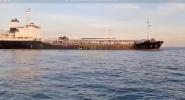
Iran’s Islamic Revolutionary Guard Corps announced the seizure of a vessel carrying an estimated four million liters of smuggled fuel in the Arabian Gulf, highlighting the regime’s ongoing struggle to contain large-scale fuel trafficking driven by economic pressure and internal corruption.
According to Iran’s state-linked Tasnim News Agency, the IRGC Navy intercepted the tanker in what officials described as a “precise” and intelligence-led operation as the ship was preparing to leave Iranian waters. A senior IRGC naval commander confirmed that 16 foreign crew members were on board at the time of the seizure and are now in custody.
Video footage released by Iran’s state broadcaster shows IRGC speedboats surrounding the vessel, armed personnel boarding the ship, and cargo hatches opened to reveal large fuel tanks. The imagery appears designed to project control and operational competence, as Tehran faces mounting criticism over its inability to curb illicit fuel exports that drain state subsidies and enrich black-market networks.
Fuel smuggling has become a chronic problem for Iran, fueled by heavily subsidized domestic energy prices and the sharp depreciation of the national currency. U.S. sanctions have further widened the gap between domestic fuel costs and international market prices, creating lucrative incentives for smuggling operations across the Persian Gulf and into neighboring states.
While Iranian officials portray the seizure as a successful enforcement action, analysts note that such incidents underscore the scale of the problem rather than its resolution. Smuggling networks often operate with the tacit involvement of regime-linked actors, raising questions about how consistently and transparently the crackdown is applied.
The detention of a foreign-crewed vessel also adds a regional dimension to the incident, as Iran continues to assert maritime control in strategic waterways. The episode reflects Tehran’s broader pattern of using naval actions both to address internal economic pressures and to signal authority in contested maritime zones.
As Iran’s economy remains under strain and fuel subsidies continue to distort markets, seizures like this are likely to persist — serving as both a symptom of systemic dysfunction and a reminder of the regime’s reliance on forceful measures to manage the consequences of its own policies.
גאלערי
ווידעאס
