צה"ל עלימינירט צענדליגער און פארניכטעט עזה טונעל נעץ.
The Israel Defense Forces continues its sustained military operations across Gaza, intensifying efforts to dismantle militant infrastructure. Over the past month, Israeli forces report that more than 60 militants have been eliminated as part of coordinated ground and aerial campaigns. These operations are focused on degrading the operational capabilities of Hamas and limiting its ability to conduct attacks. The ongoing campaign reflects a methodical approach to weakening entrenched networks within the region.
A central component of the operation has been the systematic destruction of underground tunnel systems. According to military reports, approximately 8 kilometers of tunnels have been uncovered and neutralized in recent weeks. These tunnels have long been used for weapons storage, movement of fighters, and launching attacks while evading detection. Their removal represents a significant step in disrupting Hamas’s strategic depth and operational flexibility.
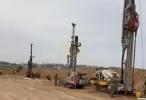
Video footage released from the area shows armored vehicles and engineering units actively engaged in clearing terrain and demolishing infrastructure. Bulldozers are seen maneuvering through debris-heavy zones, exposing and collapsing tunnel entrances in both urban and rural edge areas. The visuals provide insight into the complexity of the operation, which combines combat activity with large-scale engineering efforts. Such operations require coordination across multiple units to ensure both effectiveness and troop safety.
The escalation aligns with broader developments in March 2026, including preparations for expanded operations in and around Gaza City. Israeli leadership has indicated that continued pressure is necessary to achieve long-term security objectives. By targeting both fighters and infrastructure, the campaign aims to reduce immediate threats while also preventing future reconstitution of militant capabilities. This dual focus underscores the strategic depth of the ongoing mission.
As operations continue, the situation on the ground remains fluid and highly dynamic. Israeli forces maintain that their objective is the dismantling of hostile networks and the protection of civilian populations. At the same time, the scale of the campaign highlights the challenges of operating in densely built and contested environments. The coming phase of operations will likely determine the extent to which these objectives can be achieved.
גאלערי
ווידעאס
