ליצנות מיט איראן'ס קארפעט וואס פירט מלחמה... 😅
גאלערי
ווידעאס
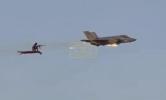
A short satirical video circulating online has captured widespread attention after humorously portraying an absurd scene in which a man riding a flying carpet shoots down an F-15 fighter jet. The clip, shared by pro-Israel commentator Eyal Yakoby, is clearly intended as parody and uses exaggerated imagery to mock what critics describe as inflated or unrealistic military claims often promoted by Iranian state media and allied propaganda outlets.
The roughly ten-second video appears to be generated using artificial intelligence tools and depicts a surreal desert setting. In the clip, a figure sits atop a traditional “flying carpet,” a reference to well-known Middle Eastern folklore, while firing a weapon toward a small aircraft flying overhead. Moments later, the aircraft—depicted as a miniature jet resembling an F-15—bursts into flames and explodes in mid-air.
While the scene is obviously fictional, the video’s comedic premise blends elements of ancient mythology with modern warfare imagery. Flying carpets have long appeared in Persian and Arabian storytelling traditions, symbolizing magical transportation and fantasy adventures. By placing this folkloric symbol in a modern military context involving fighter jets and drones, the video exaggerates the scenario to highlight its satirical message.
Yakoby shared the clip as commentary on narratives surrounding recent conflicts and military confrontations in the Middle East. In recent years, social media has increasingly become a battleground for information warfare, propaganda, and counter-propaganda, with supporters of various sides using humor, memes, and parody videos to criticize or undermine opposing claims.
The video’s imagery specifically reflects ongoing debates surrounding drone warfare and aerial combat claims made during regional confrontations. Governments and militant groups frequently announce the downing of enemy aircraft or the successful interception of aerial threats, but these reports are sometimes disputed or exaggerated for domestic audiences. Satirical content such as this clip often emerges as a way for commentators to question those claims through humor rather than direct political argument.
Despite its comedic nature, the video demonstrates how digital tools and artificial intelligence are rapidly changing the landscape of online political commentary. AI-generated visuals allow creators to produce convincing yet clearly exaggerated scenes that combine cultural symbolism with contemporary events. In this case, the blend of a legendary flying carpet and a modern fighter jet creates a deliberately absurd scenario designed to entertain viewers while delivering a pointed message.
The clip also reflects the growing role of viral media in shaping public conversation about international conflicts. Short videos, memes, and visual satire often spread rapidly across social platforms, sometimes reaching millions of viewers within hours. Their simplicity and humor make them easily shareable, allowing them to influence online narratives even when they are not intended as serious reporting.
Ultimately, the flying carpet video functions as a piece of political satire rather than a literal depiction of events. Its exaggerated premise underscores the creator’s message by presenting a deliberately impossible scenario that invites viewers to laugh while reflecting on the claims and counterclaims that often accompany modern geopolitical tensions.
As online audiences continue to engage with political commentary through humor and digital media, satirical clips like this one illustrate how storytelling traditions, technological tools, and contemporary politics can intersect in unexpected ways.
