צה"ל צילט חיזבאללה ראקעטן
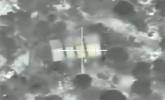
The video footage, which includes Hebrew subtitles describing the strike, appears to show the launcher positioned in a launch configuration before a sudden aerial strike hits the site. Moments later, a large explosion erupts, indicating the launcher and its munitions were successfully destroyed before the rockets could reach Israeli communities.
Israeli military officials said the strike was part of a broader campaign conducted on March 11, 2026, aimed at neutralizing Hezbollah rocket infrastructure across southern Lebanon. According to the IDF, dozens of launch systems were identified and eliminated during the operations, along with multiple Hezbollah operatives involved in preparing and carrying out attacks against Israel.
The operation reflects Israel’s ongoing strategy of preemptively targeting rocket launch capabilities used by Hezbollah to strike Israeli cities and towns. By identifying launchers through aerial surveillance and rapidly conducting precision strikes, the Israeli military aims to prevent rockets from reaching civilian areas and reduce the frequency of cross-border attacks.
Hezbollah has maintained a large arsenal of rockets positioned in southern Lebanon for years, and the group has periodically launched barrages toward northern Israel during periods of heightened tension. These attacks often trigger air raid sirens across Israeli communities, forcing residents into shelters while missile defense systems attempt to intercept incoming projectiles.
The latest exchange of strikes is part of a pattern of sustained border clashes that have intensified in recent years. Analysts say the current tensions are closely linked to the broader regional conflict that escalated following the Gaza war in 2023. Since then, Israel and Hezbollah have engaged in repeated rounds of rocket fire, airstrikes, and military operations along the northern border.
According to Israeli officials, the ability to strike launchers during or immediately before rocket fire significantly reduces the potential damage caused by large-scale barrages. Destroying launch platforms not only prevents the immediate attack but also depletes the adversary’s operational resources.
The IDF reported that more than fifty rocket launchers were destroyed during the most recent wave of operations, representing one of the larger efforts to degrade Hezbollah’s launch capability in recent months. Officials also stated that several fighters involved in the attacks were killed during the strikes.
Security experts note that the continued cycle of rocket launches and retaliatory airstrikes underscores the fragile stability along Israel’s northern frontier. While neither side has moved toward a full-scale war, the frequency and intensity of exchanges highlight the persistent risk of broader escalation.
As both sides continue military operations and surveillance along the border, the situation remains highly volatile. Israeli defense officials say they will continue targeting launch systems and militant infrastructure whenever threats against Israeli civilians are detected, emphasizing that preventing rocket attacks remains a central priority for the country’s security forces.
גאלערי
ווידעאס
