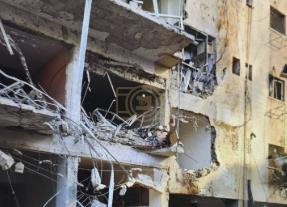
זעקס פארוואונדעטע אין תל אביב נאך א באליסטישע ראקעט אטאקע
גאלערי
ווידעאס
A grim morning unfolded in Israel on March 24, 2026, as a ballistic missile struck central Tel Aviv, evading the country’s air defense systems. The missile caused damage to residential buildings and lightly injured between four and six civilians. Media footage captured fires on vehicles, debris-strewn streets, and damaged interiors, highlighting the impact of the unprecedented strike.
Israeli officials reported that the missile was equipped with a cluster warhead, deploying four submunitions, each containing approximately 100 kilograms of TNT. While Iran had previously claimed to possess such munitions, this appears to be the first observed use successfully reaching Israeli territory. The strike follows weeks of heightened tension, with Iran testing cluster munitions against Israel since March 18, 2026, challenging air defense capabilities.
Despite the missile evading interception, the overall effect on Israeli military operations remains limited. Civilian structures were damaged, but critical infrastructure and military targets were largely unaffected. Analysts note that while the attack may alarm the population, it is unlikely to deter the Israeli Air Force from continuing operations against Iranian targets.
This incident marks a new stage in the ongoing Iran-Israel exchanges, demonstrating both Iran’s missile capabilities and Israel’s vulnerability to emerging threats. Authorities continue to monitor airspace closely and are assessing potential changes to defensive measures in response to cluster munitions. Israel’s commitment to striking Iranian facilities remains unchanged, even as the conflict escalates in intensity.