היטער ביי בראון יוניווערסיטעט האט געווארנט די באאמטע עטליכע מאל אז א פארדעכטיגטער פארשוין דרייט זיך ארום - פאר די שיסעריי
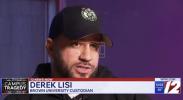
A Brown University custodian says he repeatedly warned campus officials about a suspicious man canvassing academic buildings weeks before a deadly mass shooting, raising serious questions about institutional accountability and campus security failures.
Derek Lisi, a custodian with nearly 15 years of service at Brown, says he reported the individual later identified as Claudio Neves Valente more than a dozen times prior to the December 18, 2025, shooting that killed two people and injured nine others. According to Lisi, he first noticed the suspect in early December repeatedly loitering in and around the Barus and Holley buildings without any clear academic or professional purpose.
Lisi described the man’s behavior as deliberate and unsettling, stating that it appeared he was “casing” buildings during a period when the campus was especially vulnerable due to finals week. Lisi says he raised concerns with multiple officials and staff members, urging them not to ignore the warnings, but claims no meaningful action was taken.
On December 18, the warnings became reality. Valente carried out a mass shooting on campus before taking his own life. Two students, identified as Ella Cook and MukhammadAziz Umurzok, were killed in the attack, sending shockwaves through the Brown community and beyond.
In the aftermath, Brown University placed its chief of police on leave as scrutiny intensified over whether frontline employee alerts were dismissed or inadequately escalated. The university, which holds an endowment estimated at approximately $8 billion, is now facing growing calls for independent investigations and potential lawsuits alleging institutional negligence.
Lisi’s account has resonated nationally as universities grapple with balancing open campuses and security. Critics argue that the case reflects a broader failure to listen to employees who are often the first to notice suspicious behavior and serve as an informal early-warning system.
As investigations continue, the tragedy has reignited debate over campus safety protocols, threat reporting systems, and whether universities are doing enough to act decisively when credible concerns are raised — before warnings turn into irreversible loss.
גאלערי
ווידעאס
