איראנע צינדן אונטער מעטשעטן
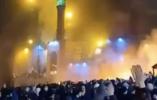
Iranian protests escalated dramatically on January 10, 2026, as demonstrators set fire to mosques, signaling a shift in both tactics and targets amid growing anti-regime sentiment. Footage verified by BBC and The New York Times shows flames engulfing the base of Al-Rasool mosque’s minaret in Tehran’s Saadat Abad neighborhood, as crowds chanted slogans against the clerical authorities.
The protests, now entering their second week, have already resulted in over 50 deaths and 300 arrests according to human rights organizations. Initially sparked by economic collapse, rampant inflation, and widespread dissatisfaction with theocratic governance, the demonstrations have evolved into broader expressions of resistance against regime control. The targeting of mosques—many of which are seen as bases or operational centers for the IRGC—represents a marked escalation compared to previous waves of unrest that focused largely on financial grievances.
Eyewitness accounts and media coverage indicate that demonstrators are increasingly coordinating symbolic attacks on structures representing regime authority. The burning of mosques highlights both the intensity of public anger and the perceived connection between religious institutions and the enforcement arms of the regime.
Security forces have responded with arrests and crowd dispersal tactics, though the scale of demonstrations continues to challenge their capacity. Analysts note that this evolution in protest behavior may reflect both desperation and strategic targeting, signaling the population’s determination to confront symbols of the regime directly.
As the unrest spreads, the escalation raises serious concerns for civilian safety, urban security, and potential long-term destabilization. Observers continue to monitor the situation closely, noting that the targeting of religious structures could further inflame sectarian tensions while amplifying international attention on Iran’s domestic crisis.
גאלערי
ווידעאס
