יאפאן ברענגט ארויס ענערגיע וואפן צום ים
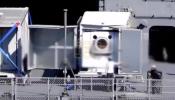
Japan’s Maritime Self-Defense Force has taken a major step forward in naval directed energy capabilities with the commencement of sea trials for a 100 kW high-energy laser system aboard the test ship JS Asuka. This system, primarily designed to intercept unmanned aerial threats, represents a significant advance in Japan’s efforts to strengthen close-range air defense against increasingly sophisticated drone incursions in the region.
The platform is equipped with a counter-drone radar suite, enhancing the system’s ability to detect, track, and neutralize hostile aerial targets. Recent images from the trials show the large protective housing doors open, revealing the laser module, which is reportedly equivalent in size to two 40-foot shipping containers. The scale of the prototype underscores the technical challenges involved in miniaturizing directed energy systems for operational deployment on conventional naval vessels.
Analysts note that these maritime trials place Japan among a growing number of nations pursuing high-energy laser weapons for naval defense. Drawing comparisons with U.S. programs such as HELIOS, experts suggest that lessons from these trials could enable the deployment of operational laser systems on frontline ships within three to five years. The combination of high-energy lasers with integrated radar countermeasures is expected to provide a rapid-response capability against swarming drone attacks and other emerging aerial threats.
Japan’s focus on directed energy weapons reflects both strategic foresight and the pressing need to protect critical maritime assets in a region where drone proliferation is expanding rapidly. By conducting rigorous at-sea testing, the JS Asuka program allows engineers to evaluate system performance under real-world conditions, including variable weather and sea states, while refining targeting algorithms and power management protocols.
This milestone demonstrates Japan’s commitment to maintaining technological parity with leading military powers in the field of advanced weapons systems. As high-energy laser technology matures, it promises to transform naval defense strategies, offering precision engagement with minimal logistical footprint and a potential deterrent against low-cost, high-frequency drone threats. The JS Asuka trials signal that Japan is preparing not only to counter current threats but also to shape the future of maritime warfare through directed energy innovation.
גאלערי
ווידעאס
