טערקישע כוחות דעמאנסטרירן אינדיגענע סיסטעמען אין נאטא טרענירונג.
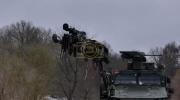
Turkish combat engineer units delivered a high-visibility performance during NATO’s Steadfast Dart 2026 exercise, executing complex breaching operations, route clearance missions, and the safe disposal of improvised explosive devices alongside Italian and Spanish counterparts. Conducted in demanding winter conditions, the drills served as a comprehensive test of allied interoperability, mobility, and explosive ordnance disposal capabilities under simulated combat scenarios.
The exercise brought together approximately 10,000 troops from 11 NATO member states, making it one of the alliance’s most significant deployment readiness events of the year. Within this framework, Turkish engineers operated integrated teams equipped with domestically produced armored engineering vehicles and support platforms, demonstrating both technical proficiency and the growing maturity of Turkey’s indigenous defense industry. Their performance underscored the importance of mobility and counter-mobility operations in modern warfare, particularly in environments where improvised explosive threats remain a primary hazard to advancing forces.
Breaching operations required synchronized use of mechanical, explosive, and manual methods to penetrate layered obstacles while maintaining force protection. Route clearance teams followed with detection and neutralization procedures designed to secure lines of communication for follow-on units. The disposal of identified explosive devices was carried out in accordance with NATO explosive ordnance disposal protocols, highlighting standardized procedures that enable multinational units to operate seamlessly despite differences in equipment and national doctrine.
The snowy terrain added a further layer of operational complexity, affecting visibility, vehicle traction, and sensor performance. Successfully completing missions under these conditions provided a realistic assessment of cold-weather readiness and reinforced the value of joint training in non-permissive environments. Italian and Spanish engineer elements contributed complementary capabilities, allowing for cross-training and validation of shared tactical methods.
The deployment of Turkish indigenous vehicles during the exercise carried strategic signaling value beyond the immediate training objectives. It demonstrated Ankara’s investment in domestic defense production and its ability to field interoperable platforms within NATO command structures. For the alliance, such contributions enhance collective deterrence by ensuring that member states can rapidly integrate specialized engineering assets into multinational formations during crisis response or forward defense operations.
Steadfast Dart 2026 is designed not only to test tactical skills but also to validate rapid deployment mechanisms, logistics chains, and command-and-control integration across the alliance. Turkey’s visible and coordinated participation reinforced its role as a key contributor to NATO’s European security architecture, particularly in missions requiring engineering support, mobility assurance, and counter-IED expertise.
As NATO continues to adapt to evolving threat environments, the emphasis on engineer capabilities reflects the operational reality that freedom of movement and protection from explosive hazards are decisive factors in both high-intensity conflict and stabilization missions. The successful execution of these tasks by Turkish, Italian, and Spanish units demonstrates the alliance’s ongoing commitment to readiness, interoperability, and credible deterrence across multiple theaters.
גאלערי
ווידעאס
