מדנ"י דראון אטאקירט חאמאס ציל
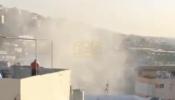
Israeli forces conducted a precision drone strike on February 20, 2026, targeting what multiple sources identified as a Hamas command facility inside the Ain al-Hilweh refugee camp near Sidon in southern Lebanon. The operation resulted in the death of one individual and injuries to three others, according to initial reports, and formed part of a broader series of Israeli strikes across Lebanese territory that reportedly left at least a dozen people dead.
Video footage from the scene shows thick plumes of smoke rising from densely packed residential structures, underscoring the complex operational environment within the camp, which houses more than 80,000 Palestinian residents. The strike appears to have been tightly focused on a specific structure believed to be used for militant coordination, reflecting Israel’s continued strategy of targeting armed groups embedded within civilian areas while attempting to limit wider collateral damage.
Security analysts note that Ain al-Hilweh has long been a hub for multiple armed factions, including Hamas and other Islamist groups, operating beyond the full control of Lebanese state authorities. The presence of these organizations inside a crowded refugee camp presents significant challenges for military operations and heightens the risk to civilians when strikes occur. Israel has repeatedly stated that it holds militant groups responsible for operating within populated zones and using civilian infrastructure for command and logistical purposes.
The timing of the strike comes amid heightened regional tensions and an ongoing Israeli campaign against Iranian-backed networks and Hamas operatives beyond its immediate borders. Israeli defense officials have emphasized that cross-border militant activity, weapons transfers, and planning cells located in Lebanon constitute a direct threat to Israeli security and therefore fall within the scope of preemptive action.
Footage captured from a nearby rooftop illustrates the immediate aftermath, with smoke enveloping adjacent buildings and residents reacting to the blast. While the casualty figures from this specific strike remain limited, humanitarian concerns persist due to the camp’s extreme population density and fragile infrastructure. Aid organizations have long warned that any military activity in such environments carries disproportionate risks for noncombatants.
From a strategic perspective, the operation signals Israel’s intent to deny Hamas safe operational space outside Gaza and the West Bank, particularly in areas where Lebanese governance is limited and armed factions maintain autonomous control. It also reflects a broader doctrine of targeting command nodes and leadership assets to disrupt planning cycles and degrade militant capabilities.
The incident is likely to add pressure on Lebanese authorities and international mediators already grappling with cross-border instability, while reinforcing Israel’s message that it will act against what it views as imminent threats regardless of geographic boundaries. As regional dynamics continue to evolve, the balance between counterterrorism objectives and civilian protection remains a central and highly contested dimension of the conflict.
גאלערי
ווידעאס
