פאקיסטאן הייבט אן גרעניץ לופט אטאקעס אויף מיליטאנטישע צילן אין אפגאניסטאן.
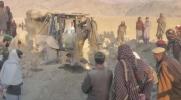
Pakistani airstrikes struck Afghanistan’s Nangarhar Province, leaving villagers and local fighters searching through rubble after blasts that Taliban authorities say killed and injured dozens, including women and children. The strikes mark a significant escalation along the volatile Afghanistan-Pakistan border, where militant activity and cross-border accusations have intensified in recent months.
Islamabad stated that the operation targeted seven militant camps used by Tehrik-i-Taliban Pakistan and Islamic State Khorasan Province, groups Pakistan holds responsible for a series of recent suicide bombings on its territory, including attacks carried out during Ramadan. Pakistani officials described the action as “intelligence-based,” emphasizing that the objective was to dismantle operational infrastructure used to plan and launch attacks against Pakistani civilians and security forces.
The Taliban administration condemned the strikes, arguing that they violated Afghan sovereignty and resulted in civilian casualties. Local accounts from Nangarhar reported damaged homes and panic among residents, underscoring the human cost of the cross-border confrontation. The province has long been a contested area due to its proximity to the frontier and its history as a stronghold for multiple militant factions.
The incident highlights the complex security environment facing both countries. Pakistan has repeatedly warned that militants operating from Afghan soil pose an immediate threat, while the Taliban have rejected these claims and called for disputes to be resolved through diplomatic channels. The lack of formal security coordination between the two sides has contributed to a cycle of accusation and retaliation.
Regional stability remains fragile as both nations grapple with insurgent threats, border management challenges, and internal political pressures. Without a mechanism for intelligence sharing and joint counterterrorism operations, the risk of further unilateral military actions remains high, raising concerns about broader escalation and the potential for sustained cross-border conflict.
As the situation develops, international observers are closely monitoring whether diplomatic engagement can reduce tensions or whether security concerns will continue to drive military responses along one of South Asia’s most volatile frontiers.
גאלערי
ווידעאס
