ווענס איינפרירט $260 מיליאן אין מעדיקעיד געלטער איבער מינעסאטע שווינדל.
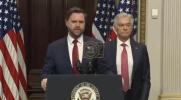
Vice President JD Vance, alongside Centers for Medicare & Medicaid Services Administrator Mehmet Oz, announced the withholding of approximately $260 million in federal Medicaid reimbursements to the state of Minnesota pending further clarification on what officials describe as widespread fraud across multiple high-risk programs. The action represents one of the most significant single-state funding deferments in recent Medicaid oversight history and signals an aggressive expansion of the administration’s broader initiative to combat improper payments in federal health programs.
According to federal officials, the deferred funds account for nearly half of Minnesota’s Medicaid reimbursement requests for the most recent fiscal quarter. The review targets fourteen service categories flagged by the state itself as vulnerable to abuse, including autism therapy services, non-emergency medical transportation, at-home rehabilitation, and overnight supervision programs. Investigators allege that billing irregularities and rapid cost escalations in certain sectors indicate systemic exploitation of reimbursement mechanisms rather than isolated compliance failures.
Vance characterized the move as a necessary safeguard for taxpayers and program beneficiaries, arguing that fraudulent actors had diverted resources intended for low-income patients, particularly children requiring autism services. Federal auditors have cited dramatic expenditure growth in autism-related claims over the past several years, raising concerns about provider eligibility, documentation standards, and service verification protocols. Officials contend that without immediate intervention, continued payments could perpetuate improper billing and reduce available funding for legitimate care.
The funding deferment does not permanently eliminate Minnesota’s Medicaid support but places reimbursement on hold while federal and state authorities reconcile documentation, verify provider credentials, and implement enhanced oversight controls. CMS has indicated that payments will resume once compliance benchmarks are met and questionable claims are resolved. In the interim, state agencies are expected to submit detailed corrective action plans outlining fraud prevention measures, auditing procedures, and beneficiary protection strategies.
Supporters of the action view the decision as a long-overdue accountability measure within a program historically vulnerable to improper payments due to its scale and decentralized administration. They argue that aggressive enforcement protects both taxpayers and vulnerable populations by ensuring that funds reach eligible recipients rather than fraudulent intermediaries. The administration has framed the Minnesota case as a model for future federal-state coordination in identifying high-risk billing patterns and imposing rapid financial safeguards.
Critics, however, warn that large-scale payment suspensions could create short-term disruptions for legitimate providers serving low-income patients, particularly in specialized care sectors where reimbursement delays can affect staffing and service continuity. State officials are now tasked with balancing cooperation with federal investigators while maintaining access to essential medical services for beneficiaries.
The development marks a significant escalation in federal Medicaid oversight and reflects a policy shift toward preemptive funding controls tied to fraud risk assessments. By leveraging reimbursement deferments as an enforcement mechanism, the administration is signaling that financial accountability will be a central component of healthcare program management moving forward.
As investigations continue, the outcome in Minnesota is likely to influence national standards for Medicaid auditing, provider screening, and payment verification, with potential implications for how states structure oversight of rapidly expanding service categories. The case underscores the tension between program accessibility and fiscal integrity, a balance that remains central to the long-term sustainability of public healthcare funding.
גאלערי
ווידעאס
