טראמפ האט געברענגט 300,000 דזשאבס פאר אמעריקאנער פרויען.
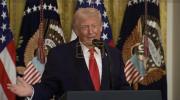
President Donald Trump highlighted economic gains for American women while celebrating Women’s History Month and National Working Moms Day, pointing to job growth and major tax cuts passed during his administration as key factors supporting working families across the country.
Speaking at a White House event honoring women’s contributions to American society and the workforce, Trump emphasized the importance of policies designed to expand economic opportunity and strengthen financial stability for working mothers.
“While we’re here to celebrate Women’s History Month, we’re also celebrating National Working Moms Day,” Trump said during the event. “Since I took office, we’ve created 300,000 jobs now filled by American women. And to support working moms, last year we passed the largest tax cuts in American history.”
The president’s remarks focused on the administration’s broader economic agenda, which includes tax reductions, deregulation, and policies aimed at encouraging business growth and domestic job creation. Supporters of the administration argue that these measures have helped create new employment opportunities and improve wages for many American workers.
Trump’s economic message at the event centered on the idea that strong economic growth benefits families across the country, particularly working mothers balancing careers, childcare, and household responsibilities. By reducing tax burdens and encouraging investment, the administration has argued that businesses are better positioned to expand hiring and raise wages.
The tax reform package referenced by the president was one of the most significant economic measures passed during his administration. Advocates say the legislation lowered taxes for individuals and businesses while helping stimulate job creation and economic activity throughout the country.
Women’s workforce participation has long been considered a key indicator of economic health, particularly as more families rely on dual incomes. Policies related to childcare costs, tax relief, and employment opportunities often play a central role in debates about how best to support working parents.
Economic data released throughout 2025 shows continued movement within the U.S. labor market. Overall payroll employment increased during the year as various sectors experienced growth, though the pace of hiring fluctuated across industries. Some sectors saw stronger job expansion, while others experienced adjustments tied to broader economic transitions and government policy changes.
Labor force participation among women showed signs of early improvement during parts of the year, reflecting ongoing shifts in workforce dynamics as businesses adjusted to evolving economic conditions. Analysts note that employment trends often vary significantly between industries, particularly during periods of economic restructuring.
During the Women’s History Month event, Trump framed his administration’s policies as part of a broader effort to strengthen opportunities for women across the United States. He emphasized the importance of recognizing working mothers and ensuring they have access to economic environments that allow families to thrive.
The celebration also served as a moment to recognize the historical achievements of American women and the expanding roles women continue to play in every sector of society—from business and government to education, healthcare, and entrepreneurship.
As the administration continues to highlight its economic agenda, Trump’s remarks at the event reinforced a central message: policies aimed at expanding growth and reducing tax burdens are intended to create an environment where American workers, including millions of working mothers, can pursue greater economic security and opportunity.
גאלערי
ווידעאס
