די יו-עס-עס טריפאלי שיקט ארויס 2,000 מארין סאלדאטן צום אראבישן ים.
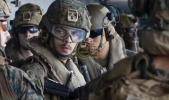
The deployment of 2,000 U.S. Marines aboard the USS Tripoli into the Arabian Sea marks a significant escalation in military presence under Operation “Epic Fury.” The move comes as part of a broader strategy authorized by President Trump to apply maximum pressure on Iran while maintaining ongoing negotiations over its nuclear and regional activities. The amphibious assault ship brings advanced capabilities, including F-35 fighter jets and helicopters, enhancing rapid-response and strike readiness in the region.
This deployment signals a calculated show of force designed to deter Iranian aggression and strengthen U.S. leverage in diplomatic talks. Military analysts note that the presence of Marines and air assets aboard the USS Tripoli provides flexibility for a range of operations, from defensive posturing to targeted strikes if necessary. The strategy reflects a dual-track approach combining military strength with diplomatic engagement.
Further reinforcing this posture, the USS George H.W. Bush is preparing to join the deployment, adding carrier strike group capabilities to the operational theater. The inclusion of a nuclear-powered aircraft carrier would significantly expand airpower projection and surveillance capacity. Such reinforcement underscores the seriousness of U.S. intentions to counter Iran’s missile programs and proxy networks.
Commentary from defense officials and analysts, including insights highlighted in media coverage, suggests that these deployments are intended to increase pressure without triggering immediate large-scale conflict. By positioning forces strategically, the U.S. aims to create leverage in negotiations while maintaining readiness for rapid escalation if required. This approach aligns with the broader objective of constraining Iran’s regional influence.
Overall, the arrival of the USS Tripoli and the anticipated deployment of additional naval assets represent a pivotal moment in Operation “Epic Fury.” The combination of military buildup and diplomatic negotiations illustrates a high-stakes effort to reshape the security landscape in the Middle East, with both deterrence and negotiation playing central roles in U.S. strategy.
גאלערי
ווידעאס
