טראמפ אויף פאקס קריטיקירט יאפאן און דרום קארעא איבערן נישט העלפן אמעריקע ביים הארמוז דורכגאנג.
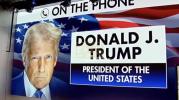
Donald Trump has publicly criticized Japan and South Korea for what he described as insufficient support during the escalating crisis in the Strait of Hormuz. Speaking in an April 2026 interview, Trump highlighted the heavy dependence both nations have on the waterway for energy imports, noting that Japan receives approximately 93% of its oil through the strait, while South Korea relies on it for around 45%. Despite this reliance, he argued that neither country has meaningfully contributed to efforts aimed at securing the passage. His remarks come as tensions rise following failed negotiations with Iran.
Footage accompanying the remarks shows U.S. warships operating in the region, alongside visual maps highlighting Iranian nuclear facilities and strategic positions. These visuals reinforce the scale of the unfolding crisis and the stakes involved in securing the waterway. Trump’s messaging positions the United States as taking the lead role in confronting the threat while urging allies to play a more active part. The emphasis on visuals and data points strengthens the administration’s argument for shared responsibility.
Overall, Trump’s comments signal growing strain within key alliances during a period of heightened global tension. The expectation of allied cooperation in safeguarding critical infrastructure such as the Strait of Hormuz reflects a shift toward more transactional security relationships. As the crisis continues, the response of Japan and South Korea may shape both regional dynamics and the future of U.S.-led coalition efforts. The evolving situation remains a focal point for global economic and security concerns.
גאלערי
ווידעאס
