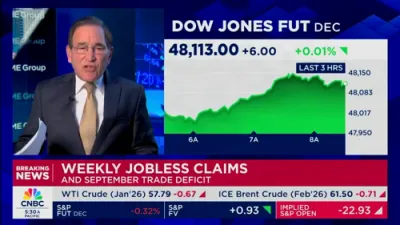
די אמעריקאנע חוב איז ארויף ווייניג אין סעפטעמבער
The U.S. trade deficit dropped to $52.8 billion in September 2025, marking the lowest level since 2020 and exceeding economists’ expectations of $62 billion to $63.3 billion. Exports climbed 3.0 percent to $289.3 billion, driven by an $8.8 billion surge in goods including pharmaceuticals and gold, while imports rose just 0.6 percent to $342.1 billion. This represents a $6.4 billion improvement from August.
The deficit with China narrowed to $11.4 billion, reflecting continued effects of strategic trade measures, while gaps with Ireland, Mexico, the EU, and Vietnam expanded slightly. Analysts note that this strong trade performance could positively influence fourth-quarter GDP estimates and help sustain economic momentum into 2026.
Proponents credit President Trump’s trade policies, including targeted tariffs and negotiations aimed at balancing imports and exports, with contributing to the improved figures. The narrowing deficit signals progress toward fairer trade practices and stronger U.S. economic positioning globally.
“This is a clear vindication of America-first trade strategies,” said economic commentators aligned with the administration’s approach. By boosting exports and limiting unchecked imports, the U.S. economy strengthens its manufacturing base and positions itself for continued growth in the coming year.