טראמפ לייגט ווייטער מיליטערישע דרוק אין ווענעזועלא.
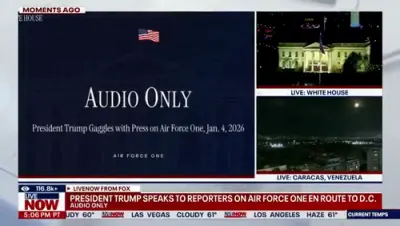
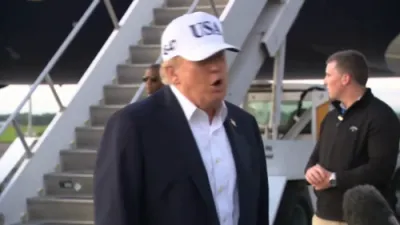
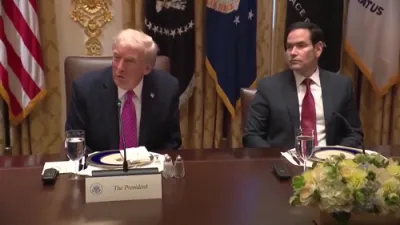
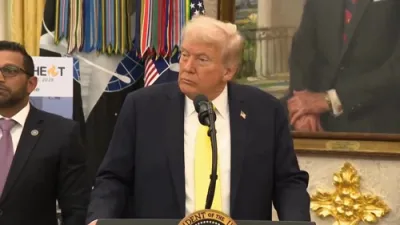
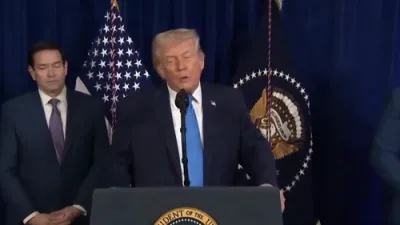
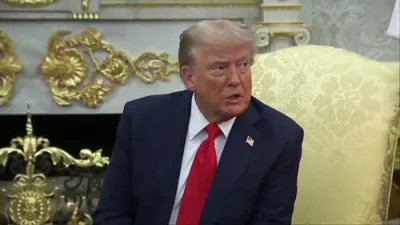
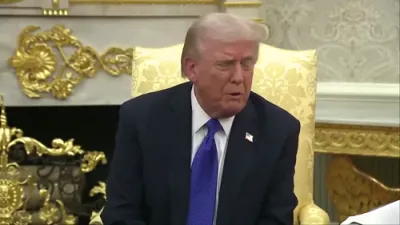
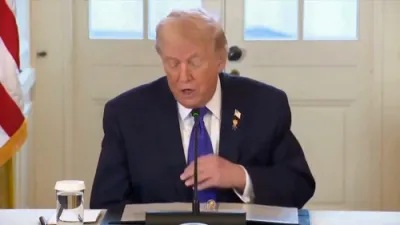
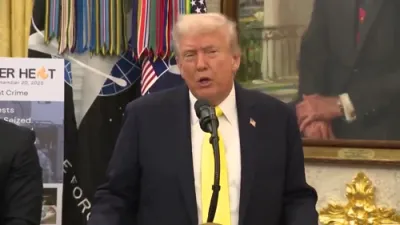
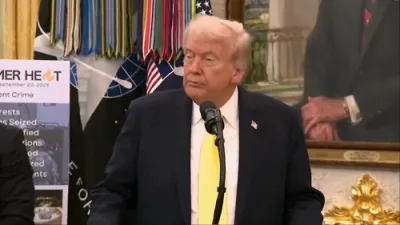
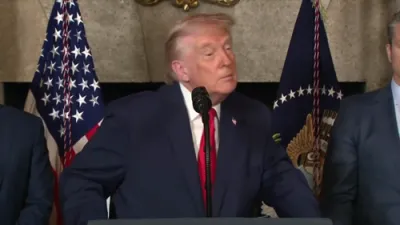
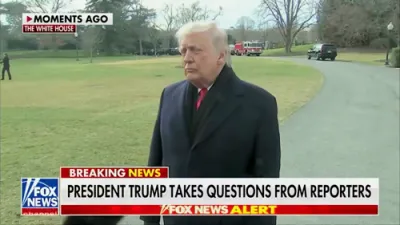
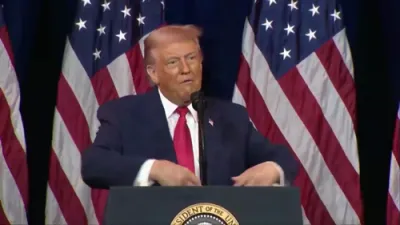
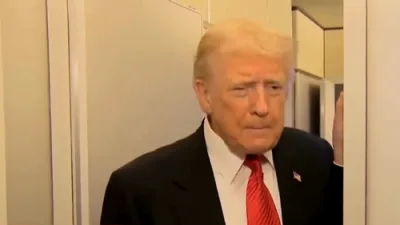
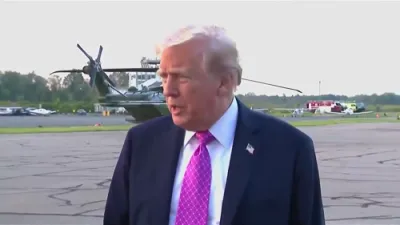
President Donald Trump made clear that the United States is not closing off its military options in Venezuela, stating that another strike remains “on the table” and that he does not dismiss the possibility of U.S. troops operating on Venezuelan soil. The remarks came during a January 5, 2026, press conference, following the U.S.-led operation that captured Nicolás Maduro just days earlier.
Trump’s comments underscore a posture of strategic pressure rather than retreat. When asked directly about the possibility of further military action, the president emphasized that no options are being ruled out, including the deployment of American forces for peacekeeping or stabilization purposes if conditions require it. The message was deliberate: the United States intends to maintain leverage and prevent a power vacuum or renewed destabilization in Venezuela.
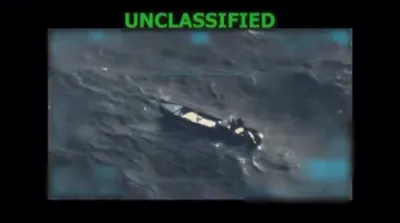
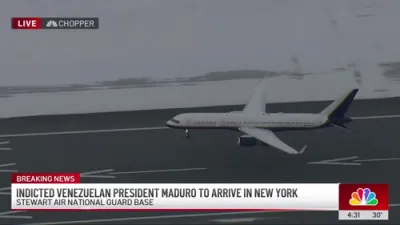
The statement follows the January 3 airstrikes and special operations mission in Caracas that resulted in Maduro’s arrest on U.S. drug trafficking charges. That operation marked one of the most aggressive U.S. actions against a foreign regime in decades and immediately reshaped the regional and international conversation around Venezuela’s future.
International reaction has been mixed. Some U.S. allies, including the European Union and several Latin American governments, issued condemnations or expressed concern over the operation’s implications for sovereignty and regional stability. At the same time, the Trump Administration has argued that years of corruption, narco-terrorism, and democratic collapse under Maduro justified decisive action.
Domestically, the president’s stance appears to carry significant public support. A January 4 Reuters/Ipsos survey showed that a majority of Americans approve of the operation that led to Maduro’s capture, reflecting broader voter backing for tough enforcement against international criminal networks and hostile regimes.
Trump’s refusal to rule out further strikes or troop involvement is consistent with his administration’s broader foreign policy doctrine: deterrence through strength, clarity of intent, and a willingness to act when U.S. national security interests are threatened. Rather than signaling escalation for its own sake, the president framed the posture as a way to preserve stability and prevent adversaries from exploiting uncertainty.
As Venezuela enters a volatile transition period, Trump’s remarks serve as a warning to remaining regime loyalists and foreign actors alike. The United States, he made clear, is prepared to act again if necessary to secure its interests and prevent renewed chaos in the Western Hemisphere.