אמעריקע האט געכאפט א שיף מיט א רוסישע פאן
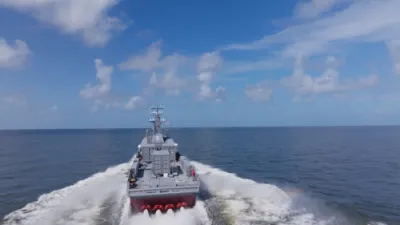
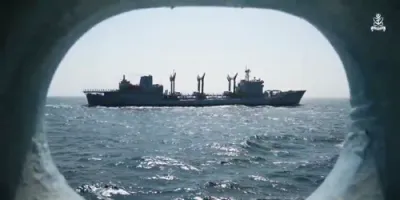
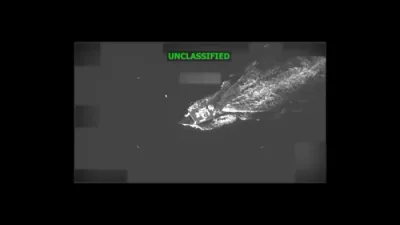
In a decisive enforcement of U.S. sanctions and maritime law, American forces successfully seized the Russian-flagged oil tanker Marinera in the North Atlantic Ocean on January 7, 2026, after a sustained pursuit and complex multinational operation. The vessel, formerly known as Bella 1, had been tracked for weeks as part of efforts to disrupt the so-called “shadow fleet” used to evade sanctions linked to Venezuelan and Iranian oil exports.
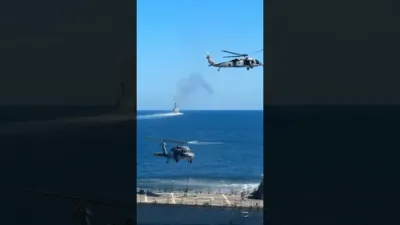
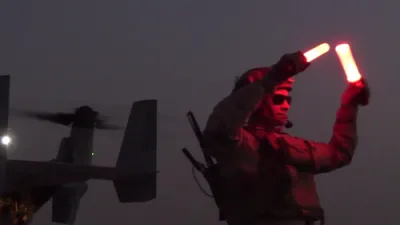
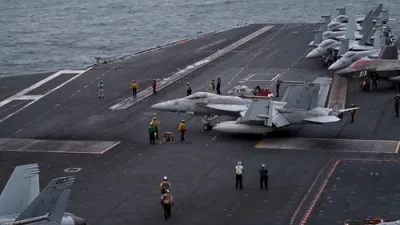
U.S. military units, alongside the Coast Guard and allied support, conducted helicopter insertions and tactical boarding actions on the high seas as part of the operation. This move came despite reports that Russian naval assets, including a submarine and surface vessels, had been deployed in an attempt to protect the tanker during its transit across international waters and complicate Western efforts. The successful boarding and seizure of the Marinera underscore the United States’ commitment to enforcing sanctions and maintaining order on the world’s oceans, even in the face of foreign interference. :contentReference[oaicite:0]{index=0}
The Marinera’s journey began as a sanctioned vessel involved in previously documented attempts to transport Iranian and Venezuelan crude. After evading a U.S. boarding attempt in the Caribbean, the tanker changed its name and flag mid-voyage, registering under Russia with the intention of avoiding capture. Nevertheless, American maritime surveillance and Coast Guard tracking maintained relentless pressure, ultimately leading to the ship’s interception between Iceland and the United Kingdom. :contentReference[oaicite:1]{index=1}
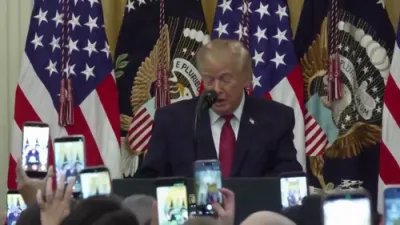
U.S. officials emphasized that the operation was executed under the authority of a federal court warrant for sanctions violations, a legal basis that reflects deep coordination between Defense, Justice, Homeland Security, and maritime enforcement agencies. President Donald J. Trump and senior Pentagon leaders reaffirmed that no nation’s attempts to shield illicit shipping operations will deter the United States from upholding international law and sanction regimes critical to global security. :contentReference[oaicite:2]{index=2}
Russian authorities condemned the action as “piracy” and lodged diplomatic protests, reflecting rising tensions between Washington and Moscow. Russia cited international maritime conventions in asserting that the use of force against a vessel flying its flag violated accepted norms. Nonetheless, U.S. officials maintained that the vessel’s prior false registration and sanctions status justified the enforcement action. :contentReference[oaicite:3]{index=3}
The Marinera seizure marks a significant moment in the broader campaign to curtail sanctions-evasion networks and uphold accountability for those who exploit loopholes in international trade and shipping. It reinforces the United States’ resolve to confront illicit oil transport, protect the global energy market, and ensure that sanction violators face consequences for undermining stability and security worldwide. :contentReference[oaicite:4]{index=4}