איראנישער גלח רופט אז טראמפ זאל ווערן אנגעגריפן ווי מאדורא.
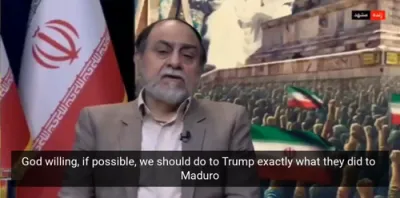
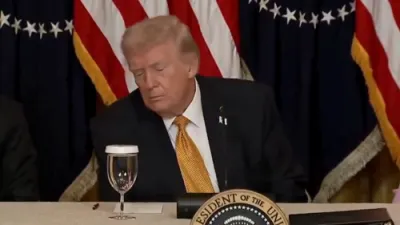
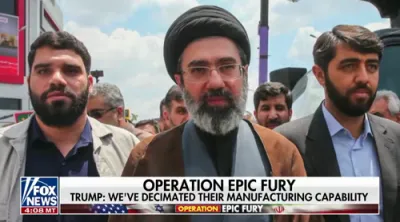
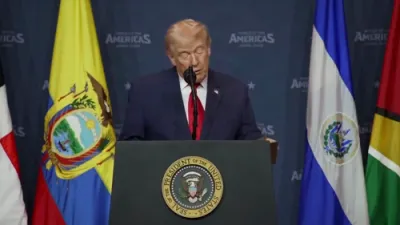
A senior Iranian cleric has ignited controversy with inflammatory remarks aimed at U.S. President Donald Trump, suggesting Tehran should treat him “like the United States treated Nicolás Maduro” and implying that Trump would “howl like a dog” if seized and physically confronted. The comments by Hassan Rahimpour-Azghadi, a member of Iran’s Supreme Council of the Cultural Revolution, were broadcast on Iranian state media and widely circulated through unofficial video clips online this week. :
Rahimpour-Azghadi’s speech, delivered in Mashhad, reflects the hardline faction within Iran’s ruling apparatus that has increasingly adopted aggressive rhetorical postures toward the United States. In the televised segment, he referred to a hypothetical capture of President Trump in a manner similar to the reported U.S. operation that detained Venezuelan leader Nicolás Maduro, and claimed that Trump’s character would cause him to “whine like a dog” if slapped after arrest.
While the comments have drawn attention on social media and within international news outlets, they appear to stem from a faction of Iran’s ideological establishment rather than official government policy. Iran’s clerical leadership is currently under intense domestic pressure due to ongoing nationwide protests and economic hardships, a context that may be intensifying hardline rhetoric directed at foreign adversaries.
The United States and Iran remain at odds over a range of geopolitical issues, including Tehran’s role in regional conflicts, nuclear ambitions, and crackdowns on political dissent. In recent days, the U.S. has imposed sanctions on Iranian officials tied to the suppression of anti-government demonstrations, further straining diplomatic relations.
American officials have denounced such rhetoric as irresponsible and inflammatory, emphasizing that direct threats or encouragements of violence against the U.S. president or American personnel are unacceptable. The Trump administration has continued to maintain economic and diplomatic pressure on Tehran while publicly supporting Iranian protesters’ calls for greater freedom and human rights.
Analysts note that statements like those from Rahimpour-Azghadi are likely intended more for domestic audiences — signaling hardline resolve and resistance to external pressure — than as formal policy prescriptions. Nonetheless, in a period marked by heightened diplomatic friction and domestic unrest within Iran, such provocations contribute to an already volatile environment between Washington and Tehran.