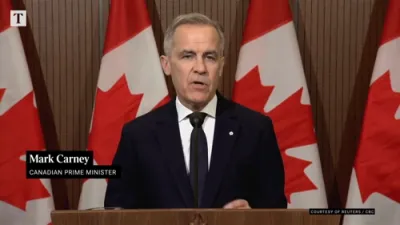
קאנאדע פריים מיניסטער קארני רעדט איבער עקאנאמיע
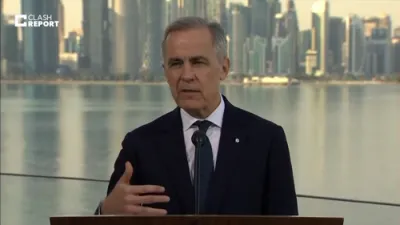
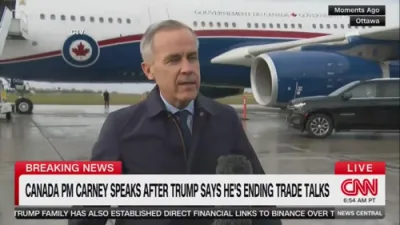
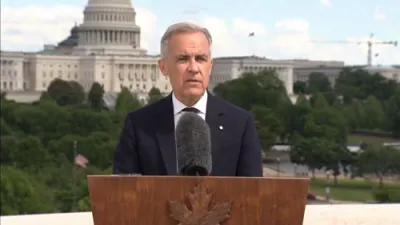
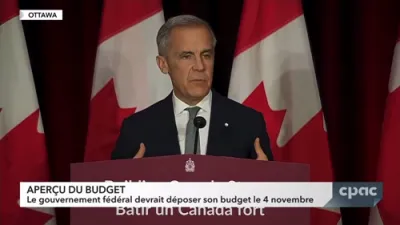
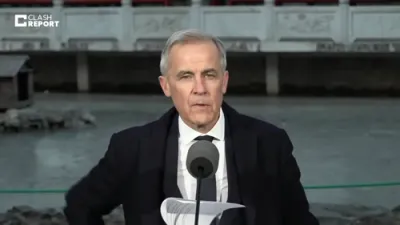
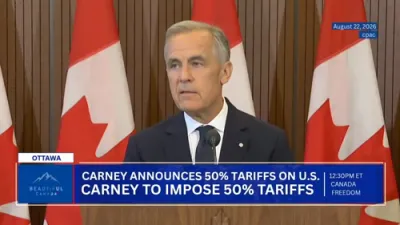
Canadian Prime Minister Mark Carney, who assumed office in 2025 after leading the Liberal Party, delivered a pointed critique of the current state of global trade during a speech in Toronto. Carney stated, “A number of the multilateral relationships, institutions, rules-based systems are being eroded, the United States included. The consequence of that is a reduction in freer trade. Much more trade is tariff-based or otherwise restricted.”
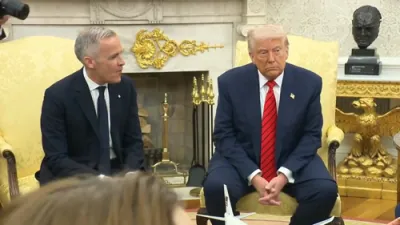
The Prime Minister’s comments directly reference U.S. policies under President Trump, including sector-specific tariffs such as the 10 percent hike on Canadian fentanyl-related imports announced in late 2025. According to Carney, these unilateral actions are symptomatic of a broader retreat from multilateral trade cooperation, undermining established global norms and contributing to a 2.5 percent contraction in global trade volumes year-over-year, as reported by the International Monetary Fund for 2026.
Carney emphasized that where progress is occurring, it is largely through plurilateral arrangements involving multiple countries rather than universal agreements under institutions like the World Trade Organization. He cited Canada’s recent tariff reductions on Chinese electric vehicles in exchange for eased canola restrictions as an example of constructive plurilateral negotiation amid stagnating multilateral forums.
The Prime Minister warned that the erosion of traditional trade frameworks risks long-term economic consequences, including reduced market access and slower economic growth, and called for strategic engagement in targeted multilateral and plurilateral deals to sustain global trade momentum.
Carney’s speech underscores Canada’s intent to adapt to a shifting global trade environment while highlighting the impact of U.S. policies on international commerce and the need for creative solutions outside of traditional global institutions.