טרעזשורי סעקרעטאר בעסענט קריטיקירט אייראפע פאר אומדירעקטע רוסישע אויל אימפארטן.
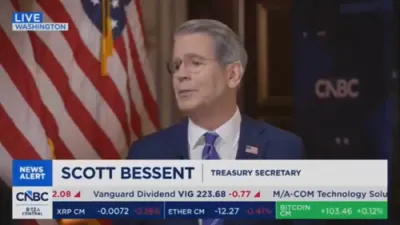
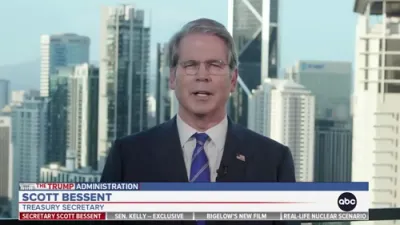
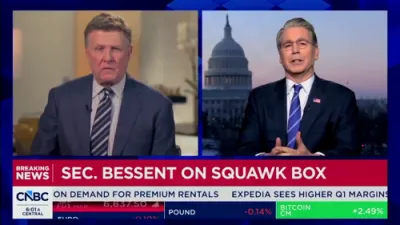
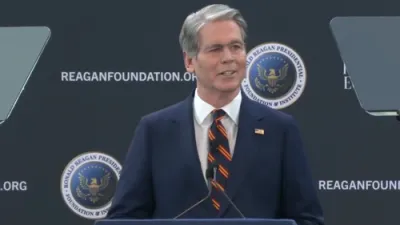
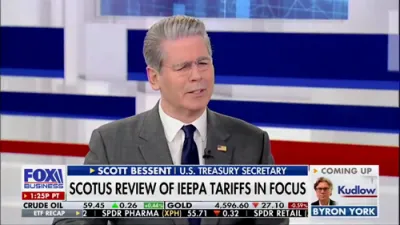
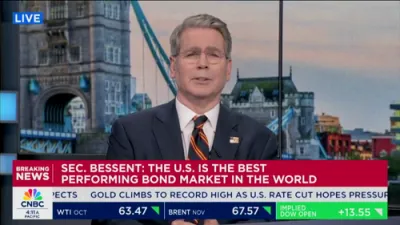
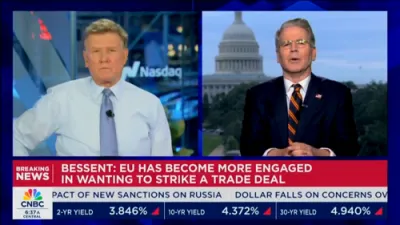
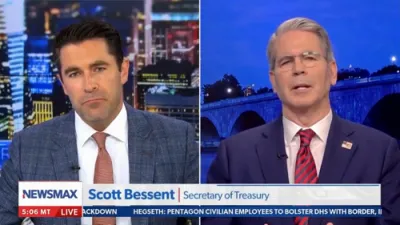
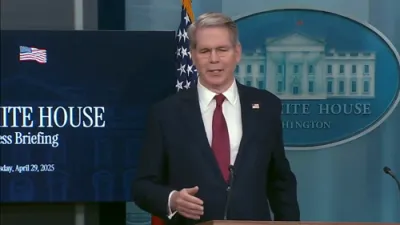
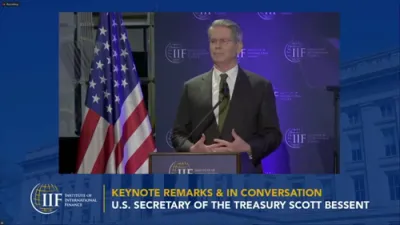
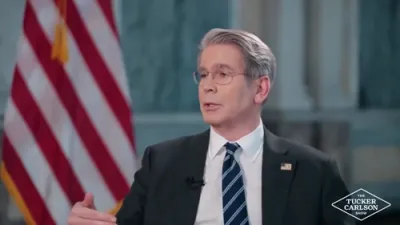
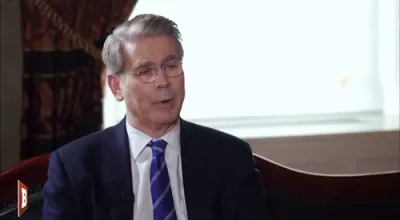
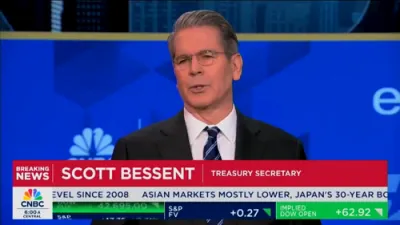
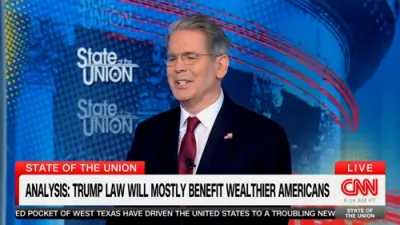
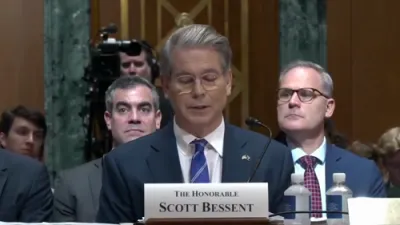
U.S. Treasury Secretary Scott Bessent criticized European nations for indirectly funding Russia’s war in Ukraine by purchasing refined oil products from India, despite U.S. sanctions that curtailed India’s direct imports of Russian crude. Speaking in a January 28, 2026, CNBC interview, Bessent expressed disappointment that Europe appears to prioritize energy trade over robust support for Ukraine, even as the continent has banned direct imports of Russian crude and refined products and pursues additional sanctions.
The Treasury Secretary highlighted the EU-India Free Trade Agreement finalized in late 2025 as a key factor enabling the flow of Russian-origin refined fuels through Indian refiners. According to Eurostat data, while Europe’s direct Russian energy purchases fell by roughly 90% since 2022, imports of Russian-refined products routed via India rose 15% in 2025, bypassing the intended impact of U.S. tariffs and sanctions.
“I find the Europeans very disappointing because the Europeans are on the frontline of the Ukraine-Russia war,” Bessent said. “The Europeans have been funding the war against themselves.” The remarks underscore lingering transatlantic tensions over energy strategies and burden-sharing in Ukraine aid, which the United States has now contributed over $100 billion toward since the conflict’s escalation.
Bessent’s comments also illustrate the challenges of enforcing sanctions in a global energy market, where intermediaries and indirect trade routes can undermine policy objectives. U.S. officials argue that without stricter coordination, sanctioned commodities can find alternative markets, effectively funding adversaries despite formal prohibitions.
The resurfaced clip has sparked debate about Europe’s commitment to supporting Ukraine, with Bessent framing the issue as a test of both credibility and collective responsibility among allied nations. While Europe maintains its bans on direct Russian energy imports, the Treasury Secretary insists that indirect channels through third countries must also be addressed to truly pressure Moscow and protect Ukraine’s sovereignty.