דזשעי די ווענס ביים באורד אף פעיס
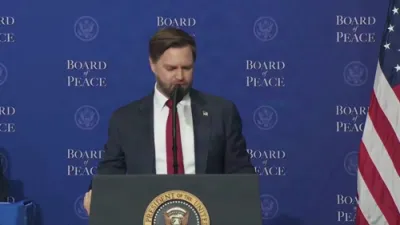
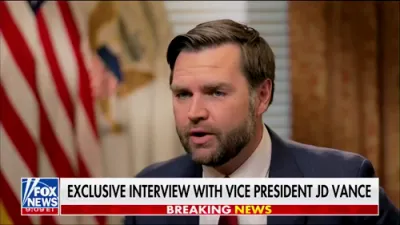
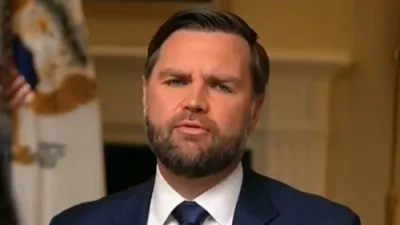
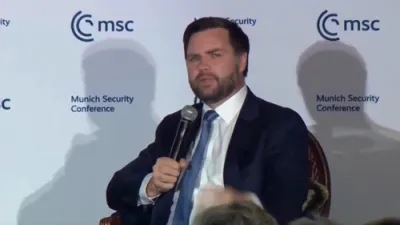
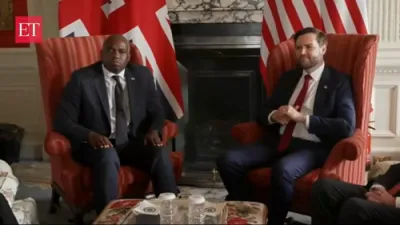
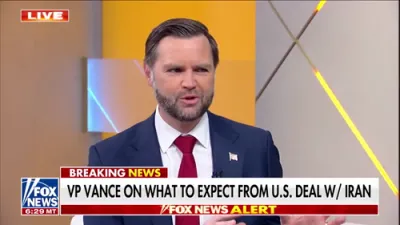
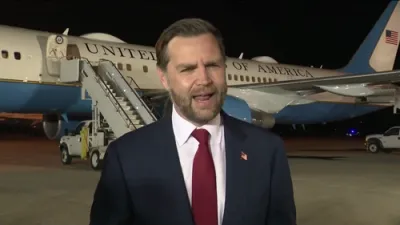
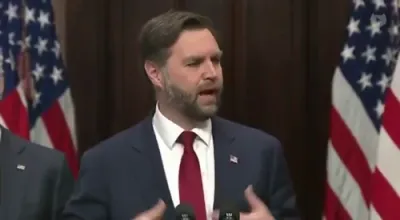
Vice President JD Vance used the inaugural Board of Peace meeting to spotlight what the administration describes as a direct link between geopolitical stability and unprecedented levels of foreign investment flowing into the United States. Speaking before an audience of international partners and senior officials, Vance argued that the countries represented at the forum collectively account for trillions of dollars in capital commitments that, in his view, would not have materialized without President Donald Trump’s leadership and emphasis on peace through strength.
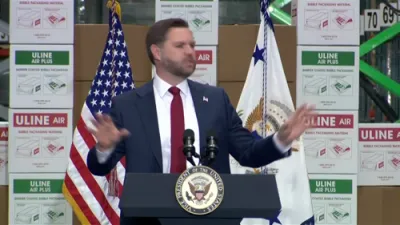
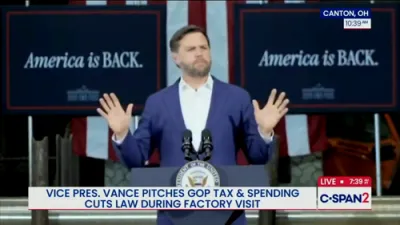
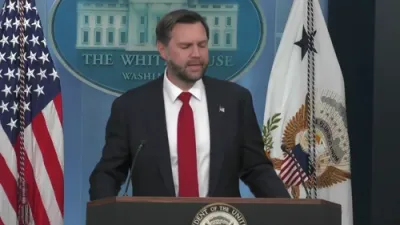
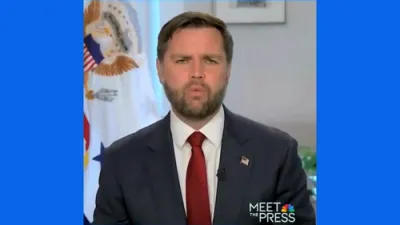
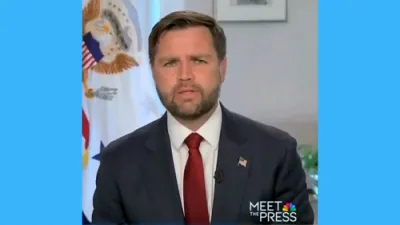
Delivering his remarks from a formal podium flanked by American flags and the Board of Peace banner, the vice president framed economic growth as a strategic dividend of security policy. He contended that when the United States projects deterrence, reinforces alliances, and reduces the risk of major regional conflicts, global investors respond by directing capital toward American markets, infrastructure, and industry. The implication was that foreign direct investment is not merely an economic metric but a measure of international confidence in U.S. leadership and stability.
Vance pointed to the composition of the Board of Peace itself as evidence of this trend, noting that participating nations represent some of the world’s largest sovereign wealth funds, institutional investors, and trade partners. According to administration officials, recent investment announcements span energy production, advanced manufacturing, critical minerals, and defense supply chains—sectors prioritized for both economic competitiveness and national security resilience. By aligning diplomatic initiatives with domestic industrial expansion, the administration is presenting a unified strategy that treats peace agreements and capital inflows as mutually reinforcing.
The vice president also emphasized that stability in key regions reduces volatility in energy markets and global shipping lanes, factors that directly influence inflation, supply chain reliability, and job creation within the United States. In this framework, preventing large-scale conflicts is positioned as a pro-growth policy that lowers risk premiums and encourages long-term project financing. Vance credited Trump’s negotiating posture, alliance management, and willingness to apply pressure on adversaries as central to creating what he described as a more predictable international environment.
Critics have questioned whether geopolitical developments alone account for investment trends, but the administration maintains that the convergence of security initiatives and economic policy has produced a measurable confidence effect. By highlighting capital commitments in the context of a peace-focused diplomatic forum, Vance sought to reinforce the narrative that American prosperity is directly tied to a strong and assertive foreign policy.
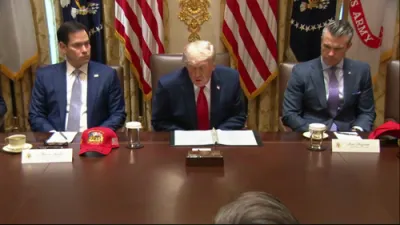
The Board of Peace meeting itself served as a platform to integrate these themes, combining discussions of regional stabilization, reconstruction funding, and long-term economic partnerships. Vance’s remarks positioned the United States not only as a security guarantor but also as the primary destination for global capital seeking stability and rule-of-law protections.
As the administration advances its second-term agenda, the message from the vice president was clear: peace initiatives are being leveraged as an economic strategy, with foreign investment framed as a tangible outcome of restored deterrence and international confidence in American leadership.