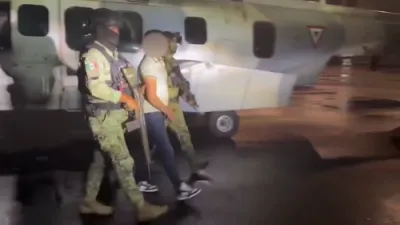
מעקסיקא פלאקערט נאך וואס די רעגירונג האט געהארגעט א ריזיגע דראג קארטעל פירער
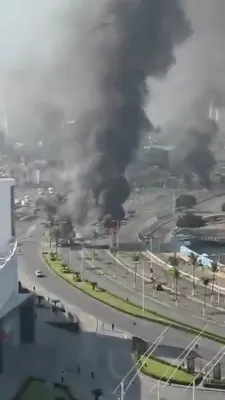
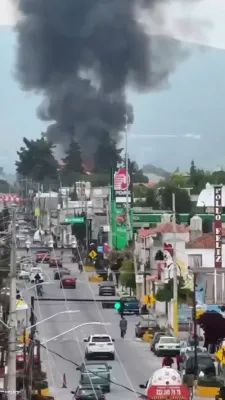
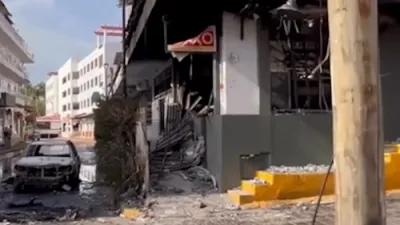
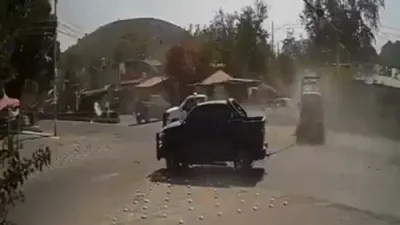
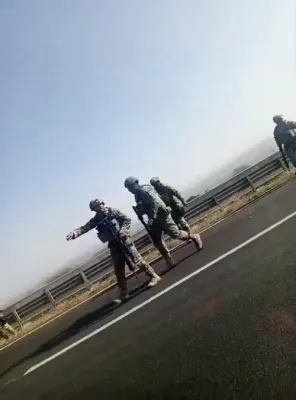
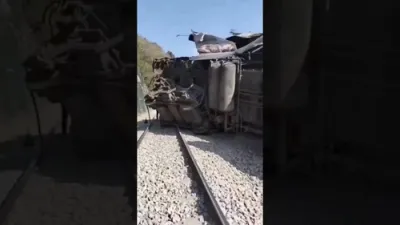
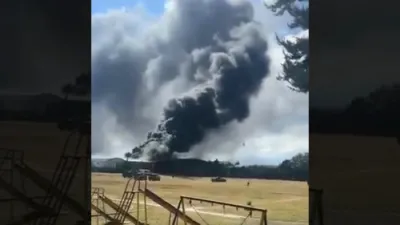
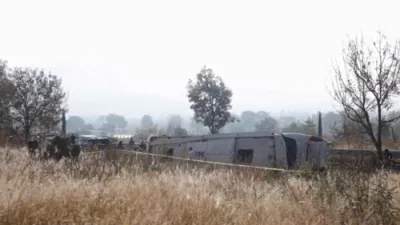
Coordinated cartel violence struck Puerto Vallarta on February 22 as members of the Jalisco New Generation Cartel (CJNG) set multiple vehicles ablaze in apparent retaliation for a major Mexican army operation earlier in the day. Thick smoke from burning roadblocks was visible near key transit routes and waterfront areas, disrupting movement across the city and raising immediate concerns for residents and tourists in one of Mexico’s most prominent resort destinations.
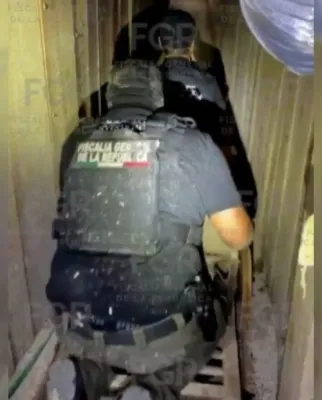
The attacks followed reports that Mexican security forces killed CJNG leader Nemesio Oseguera Cervantes, known as “El Mencho,” during a military action in Tapalpa. While authorities have not publicly confirmed all operational details, the scale and coordination of the subsequent arson incidents indicate a rapid mobilization consistent with cartel retaliation tactics designed to overwhelm local response capacity and impede law enforcement movement. Similar roadblock fires were reported in other parts of Jalisco, and operations at Guadalajara’s airport experienced temporary disruption as security measures were heightened.
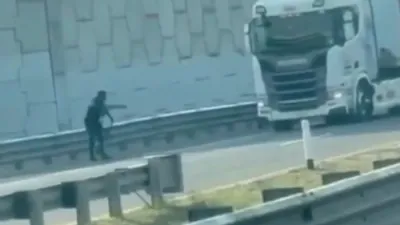
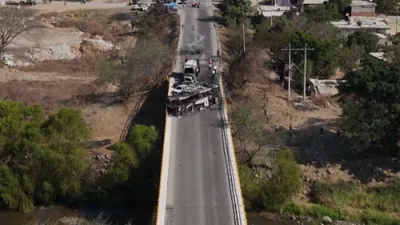
Vehicle burnings are a well-documented method used by organized criminal groups to create improvised barriers, slow military deployments, and generate widespread fear through highly visible acts of violence. By targeting civilian infrastructure rather than direct engagements, these tactics amplify psychological impact while complicating rapid containment. In Puerto Vallarta, the proximity of the fires to tourist corridors magnified the economic and public safety implications.
Jalisco authorities issued a red alert as security forces moved to restore order, and international consular advisories urged individuals to shelter in place until conditions stabilized. The incident underscores the vulnerability of major tourism centers to spillover violence when cartel leadership structures are disrupted. Even short-lived episodes can produce significant reputational and financial consequences for destinations that rely heavily on international travel and hospitality sectors.
From a strategic perspective, the events illustrate the persistent challenge facing Mexican security policy: high-value targeting of cartel leadership can degrade organizational capacity over time but often triggers immediate retaliatory actions aimed at demonstrating continued operational reach. Managing the aftermath requires rapid coordination between federal forces, state authorities, and municipal services to secure transportation nodes, reopen critical infrastructure, and reassure the public.
As of the latest reports, security patrols have increased across Puerto Vallarta, and efforts are underway to clear roadways and assess damage. The longer-term impact will depend on the stability of the regional security environment and the ability of authorities to prevent follow-on attacks. For a city that serves as a major gateway for international visitors, restoring normalcy quickly is essential to maintaining confidence in its safety and economic resilience.