די היסטארישע בליזערד אין ניו דזשערסי
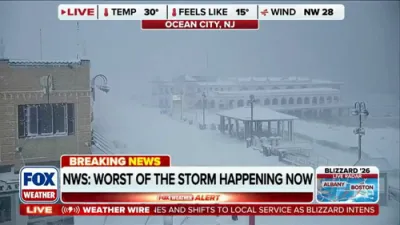
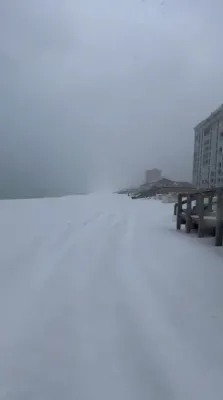
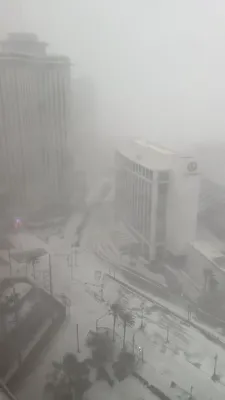
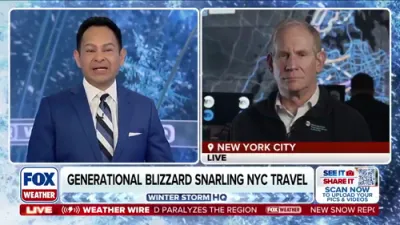
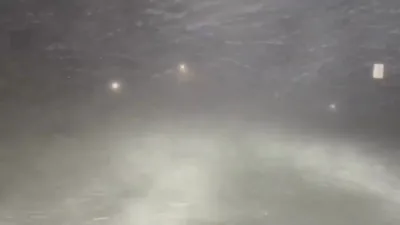
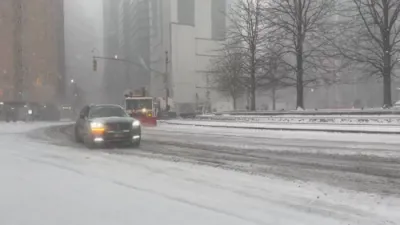
A powerful winter storm designated Blizzard Hernando continues to hammer the Northeastern United States, bringing heavy snowfall, damaging wind gusts, and near-zero visibility across a densely populated corridor from Maryland to New Hampshire. Along the New Jersey coastline, conditions have deteriorated into full whiteouts, with sustained blowing snow and gusts approaching 60 miles per hour creating hazardous travel and widespread disruptions.
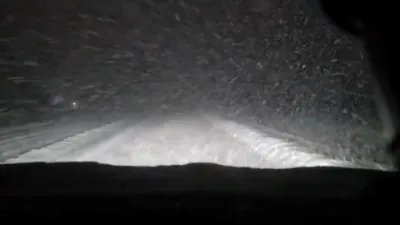
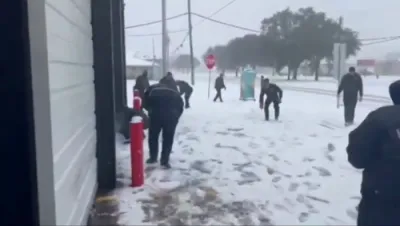
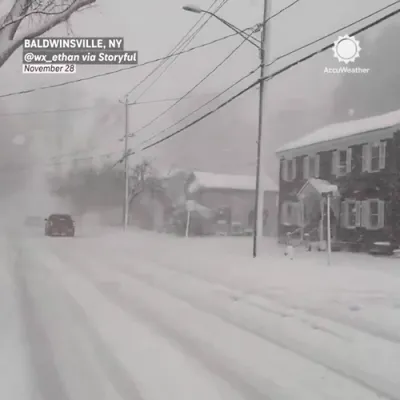
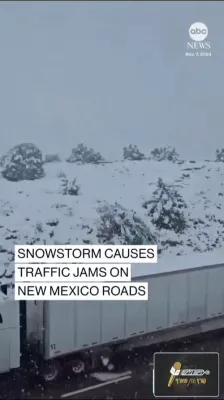
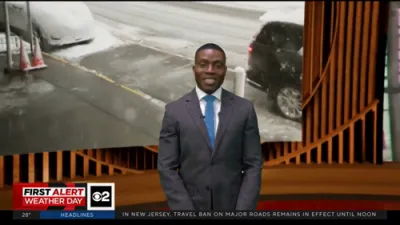
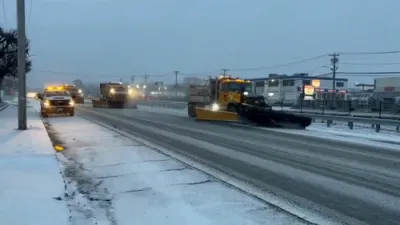
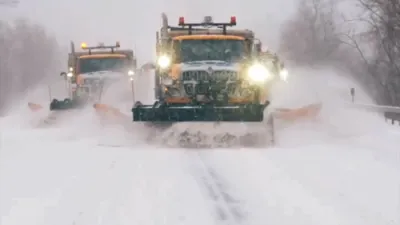
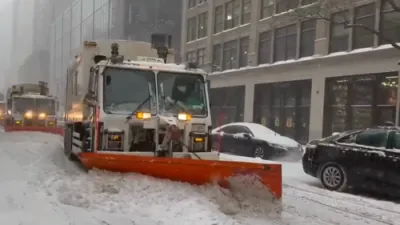
On-the-ground reports from coastal communities describe continuous snowfall throughout the morning hours, with roads rapidly becoming impassable despite ongoing plowing operations. The combination of high winds and dry, powdery snow has produced severe drifting, reducing visibility to a few feet at times and forcing the closure of major highways and secondary routes. Emergency management officials are urging residents to remain indoors as crews struggle to maintain access for first responders.
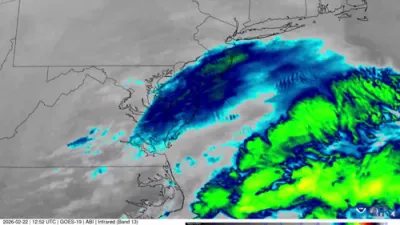
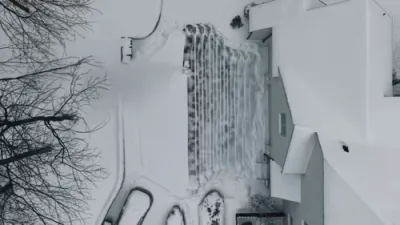
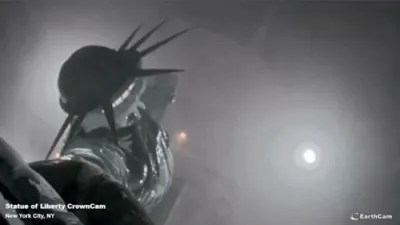
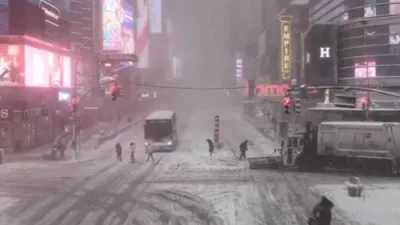
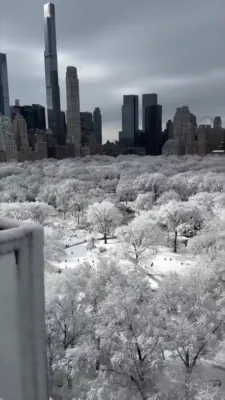
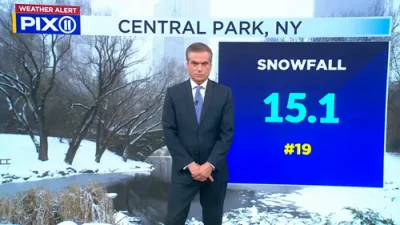
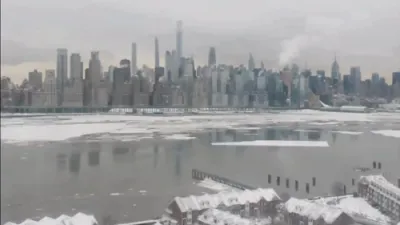
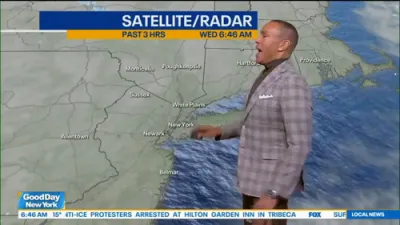
Major metropolitan areas including New York City and Boston are already reporting significant accumulations, generally ranging from six to sixteen inches, with localized bands expected to push totals much higher before the system exits the region. Meteorological models indicate the potential for peak storm totals approaching two feet in some areas, which would challenge longstanding February snowfall records.
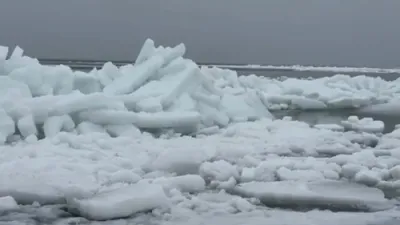
The storm’s intensity has been amplified by bombogenesis, a rapid pressure drop that strengthens the cyclone and accelerates wind speeds. This process has produced blizzard conditions across multiple states, triggering warnings affecting approximately 35 million people. Coastal flooding remains a secondary concern as strong onshore winds coincide with elevated tides, particularly along exposed shorelines.
Infrastructure impacts are mounting. Tens of thousands of customers are without electricity as heavy snow and wind bring down tree limbs and power lines. Airports across the Northeast have canceled hundreds of flights, and rail services are operating on reduced schedules or suspending operations altogether. Municipal governments have declared snow emergencies, implementing parking bans to facilitate plowing and emergency access.
Despite the severe conditions, utility crews and transportation departments have mobilized extensive resources to restore power and reopen critical corridors once winds subside. The storm is expected to gradually weaken as it moves offshore, but lingering blowing snow and subfreezing temperatures will continue to pose risks even after snowfall tapers.
Blizzard Hernando stands as one of the most significant winter events of the season, combining heavy accumulation, destructive winds, and widespread disruption across one of the nation’s most heavily traveled regions. Authorities emphasize that the most dangerous period remains ongoing, with conditions capable of changing rapidly and travel strongly discouraged until visibility improves and roadways are cleared.