טאקער קארלסאן איבער די איראנע קריג
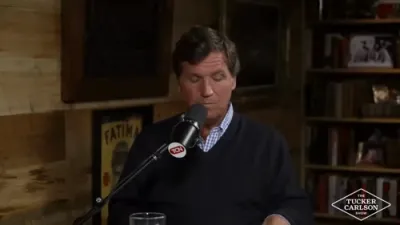
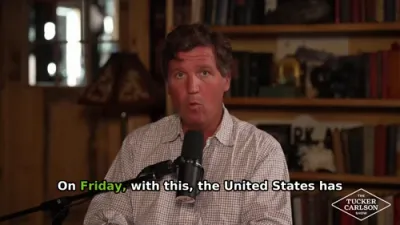
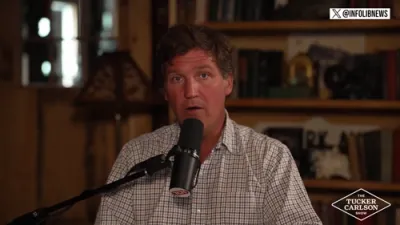
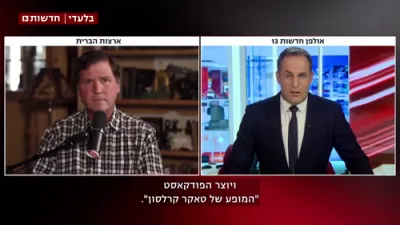
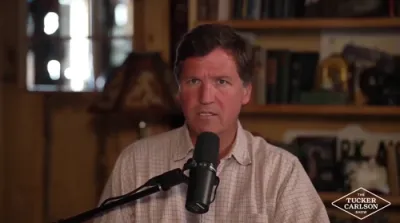
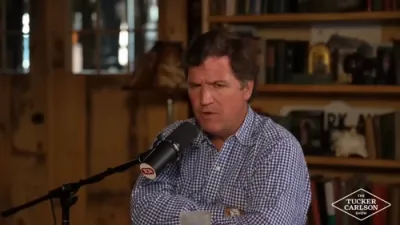
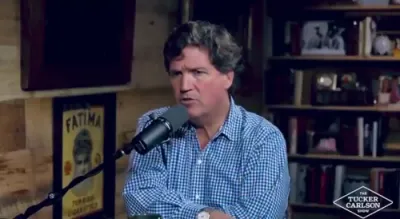
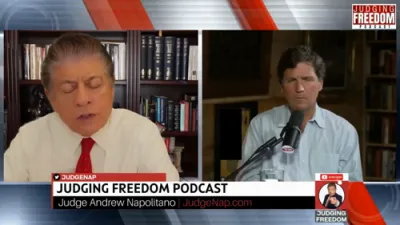
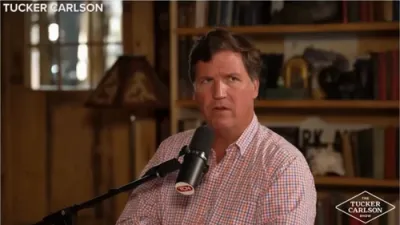
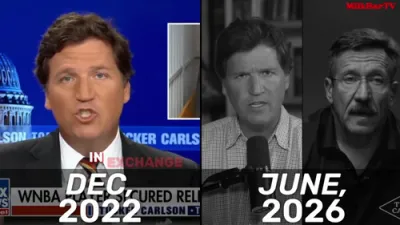
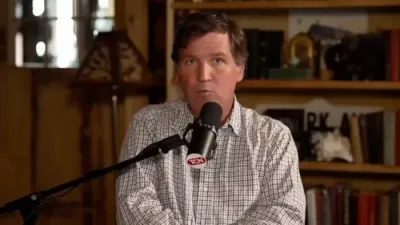
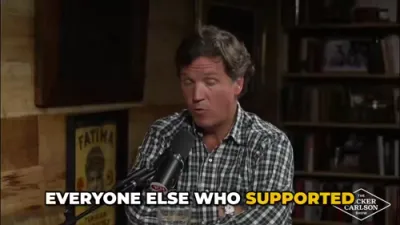
A sharp divide has emerged within conservative media as Tucker Carlson publicly rebuked Fox News commentary advocating a more aggressive posture toward Iran, directly targeting Mark Levin’s calls for decisive military action. The clash highlights a broader debate over U.S. strategy in the Middle East, particularly as tensions with Tehran remain elevated and discussions over potential military responses continue.
Levin has argued that diplomacy has reached its limits and that Iran’s long record of hostility toward the United States justifies a forceful response, framing the conflict as a matter of national security and deterrence. In recent appearances, he emphasized that Tehran’s actions over decades—including support for proxy groups and attacks linked to American casualties—constitute an ongoing state of war that cannot be addressed through negotiations alone. He warned that delaying action risks allowing Iran to strengthen its strategic capabilities and threaten both American forces and regional allies.
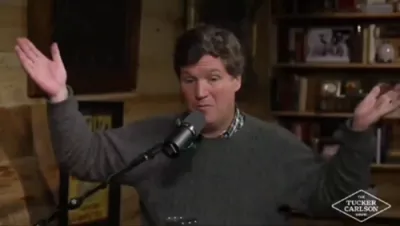
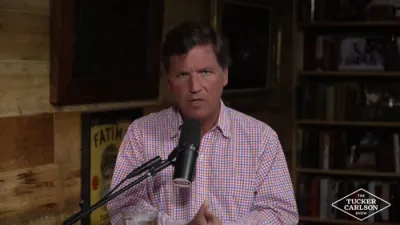
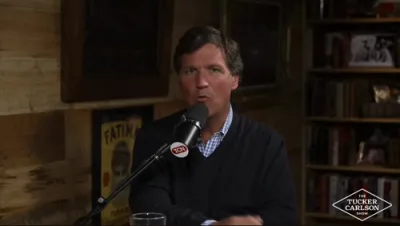
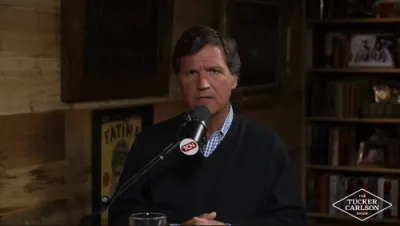
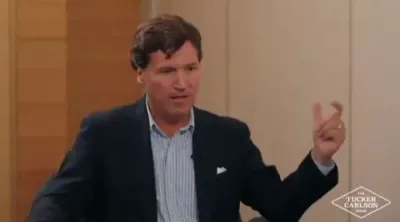
Carlson, by contrast, has positioned himself as a vocal opponent of direct U.S. military involvement, accusing pro-intervention voices of overstating intelligence assessments and steering public opinion toward conflict. He argued that previous predictions about Iran’s nuclear timeline have repeatedly failed to materialize and cautioned that another Middle Eastern war could carry severe human and economic costs for the United States. His criticism extended beyond policy differences to the role of media framing, contending that sustained messaging in favor of escalation creates pressure for military engagement.
The dispute reflects a deeper ideological split within the conservative movement between interventionist and restraint-oriented factions. One camp views preemptive strength as essential to preventing adversaries from achieving strategic parity, particularly in the context of missile proliferation and nuclear development. The other emphasizes the risks of entanglement, the burden on American forces, and the potential for regional conflicts to expand beyond initial objectives.
This debate comes at a time when U.S. policy toward Iran remains in flux, with military preparedness measures occurring alongside intermittent diplomatic efforts. Analysts note that internal disagreements among influential commentators can shape public perception and, by extension, the political environment in which national security decisions are made.
While the exchange between Carlson and Levin has been framed in stark personal terms, the underlying issue is a substantive policy question: whether deterrence is best achieved through credible military readiness and the willingness to act, or through restraint aimed at avoiding a broader regional war. As tensions persist and strategic calculations evolve, this internal discourse is likely to continue influencing how conservative audiences interpret developments in the Middle East and the appropriate role of American power.