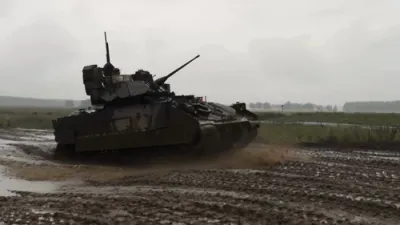
נאטא האט אפגעשטעלט ערשטע איראנע ראקעט אטאקע אויף טערקיי.
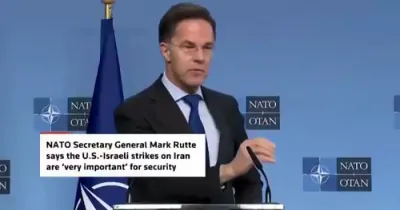
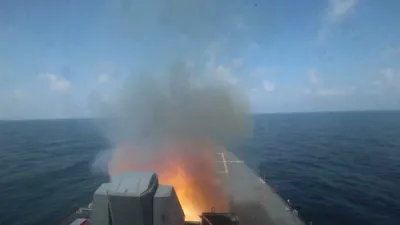
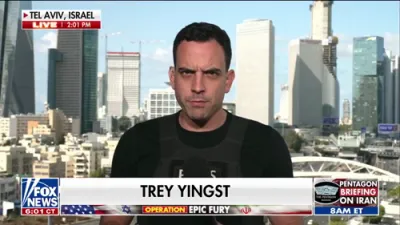
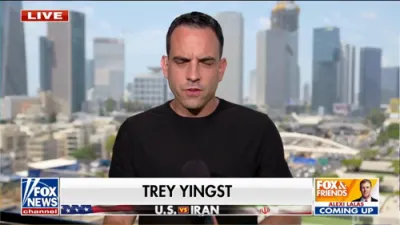
In a dramatic escalation of regional tensions, NATO air defenses intercepted and destroyed an Iranian ballistic missile that was reportedly headed toward Turkey, marking the first confirmed instance of Iran firing directly at a NATO member state. The development was first reported by Fox News correspondent Trey Yingst during a live broadcast, citing defense sources familiar with the interception.
Turkey’s Defense Ministry subsequently confirmed that the missile was neutralized over the eastern Mediterranean to prevent a violation of Turkish airspace. The interception underscores the heightened alert status of NATO’s integrated air and missile defense systems amid rapidly expanding hostilities across the Middle East.
The attempted strike follows a series of Israeli operations targeting Iranian security and military infrastructure, part of a broader confrontation that has intensified in recent weeks. Tehran’s regional retaliatory actions have included missile launches and proxy activity across multiple theaters. However, a direct launch toward Turkish territory represents a significant escalation with strategic implications far beyond the immediate region.
Under NATO’s collective defense framework, an attack against one member state is considered an attack against all. While it remains unclear whether Article 5 consultations will be formally triggered, the interception demonstrates the alliance’s readiness to respond to emerging threats in real time. Defense analysts note that even an unsuccessful strike aimed at a NATO member shifts the risk calculus and increases the probability of broader multilateral involvement.
Ballistic missile interception requires precise detection, tracking, and engagement coordination. NATO’s layered defense architecture—integrating radar, naval assets, and ground-based interceptors—appears to have functioned as designed, preventing both territorial incursion and potential civilian or military casualties. The rapid response highlights the alliance’s operational cohesion at a moment of acute geopolitical strain.
Strategically, the event places Turkey in a pivotal position. As a NATO member bordering volatile conflict zones, Ankara occupies a frontline role in alliance security dynamics. The interception reinforces Turkey’s integration into NATO’s missile defense umbrella while signaling to Tehran that further aggression toward alliance territory will meet immediate resistance.
The broader context remains volatile. Israeli strikes on Iranian-linked targets have expanded the operational theater, and Iran’s retaliatory posture appears increasingly bold. With NATO now directly engaged in defensive action against an Iranian launch, the confrontation risks transitioning from a regional proxy struggle into a wider international security crisis.
The coming days will determine whether this incident remains an isolated escalation or becomes a catalyst for deeper alliance involvement. What is clear is that NATO has demonstrated both capability and resolve. The message to Tehran is unmistakable: missile attacks against member states will not go unanswered.




![טראמפ זאגט אז נאכן זיך אויסקומען מיט איראן [פרייטאג איידער איראן האט דאס קלאמפיש צוריק פארמאכט] איבערן הארמוז, האט נאטא פארגעשלאגן זייער הילף... 😂](new_ded_video/26/16/EkxDhCZ0K5RlTes5Z9B/mVw7Ux/thumbs/poster.webp)