מאמדאני מעלדט איבער פרי טשיילדקעיר
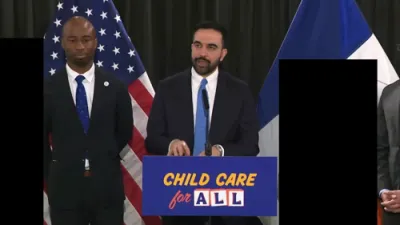
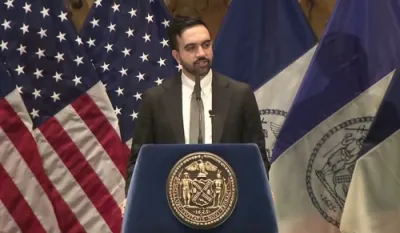
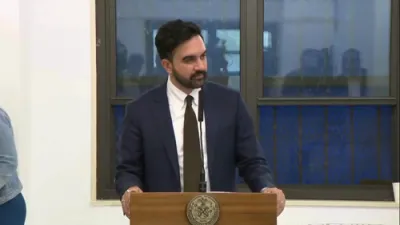
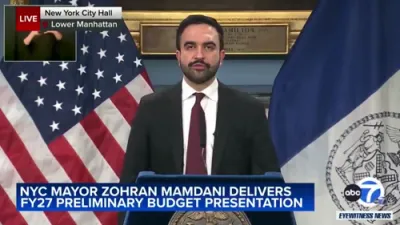
New York City Mayor Zohran Mamdani announced a bold expansion of government-funded childcare that will now be available to every family within city school districts, regardless of income, occupation, or immigration status. Speaking on camera, Mamdani explicitly stated that eligibility extends to all residents “so long as they live there,” removing legal status as a barrier for access to taxpayer-funded programs.
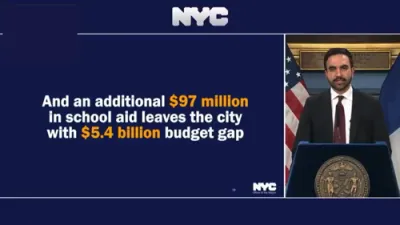
This policy represents a major shift in public services, adding to the already significant financial responsibilities borne by New York City taxpayers. Residents are currently supporting the nation’s most expensive public school system, absorbing billions in costs associated with migrant shelter and services over the past several years, and paying some of the highest state and local taxes in the country. The new childcare initiative expands these obligations, now offering free services to all who reside within qualifying zip codes, including undocumented immigrants.
The announcement underscores a political reality: years of claims that illegal immigrants do not receive taxpayer-funded benefits are now directly contradicted by policy. What had been dismissed by some as a “myth” or a partisan talking point has been formalized as law on camera, fulfilling a campaign promise made by Mayor Mamdani. While supporters argue that providing childcare to all residents promotes equity and access, critics warn that the policy may place further strain on public finances and infrastructure already under pressure.
The decision also has implications for broader debates on immigration, public spending, and urban governance. By prioritizing inclusivity of all residents, regardless of legal status, the mayor signals a commitment to comprehensive social support while reigniting discussions over the limits of taxpayer-funded benefits in a city managing complex demographic and fiscal challenges. The policy rollout and subsequent public reaction are likely to influence similar discussions nationwide as cities balance service provision with budgetary sustainability.