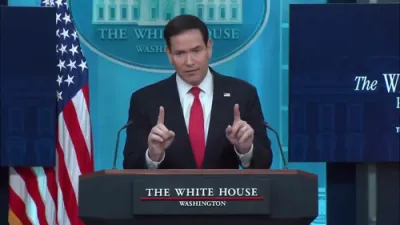
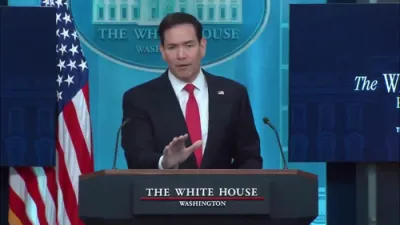
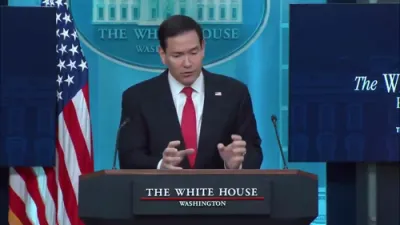
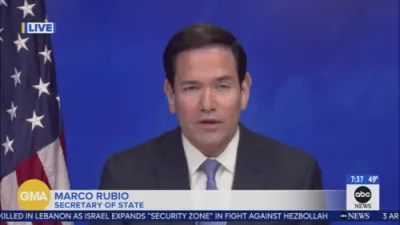
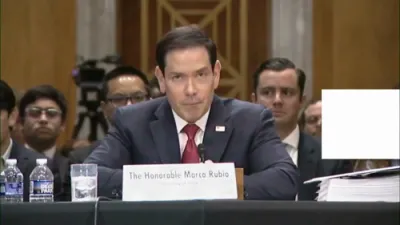
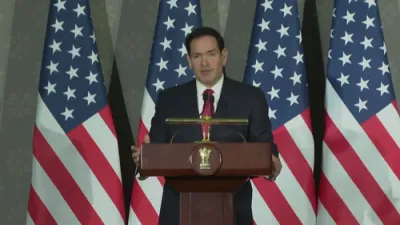
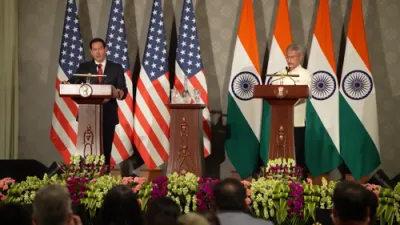
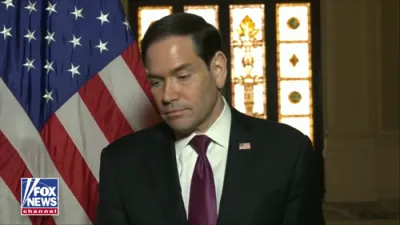
מארקא רוביא באשולדיגט איראן אין טעראריזם קעגן מדינת ישראל.
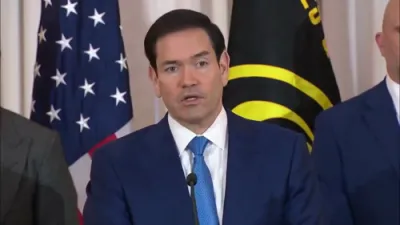
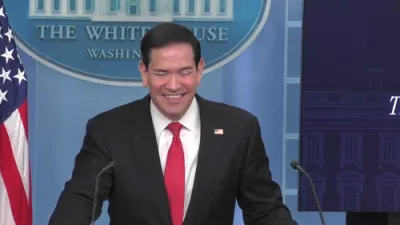
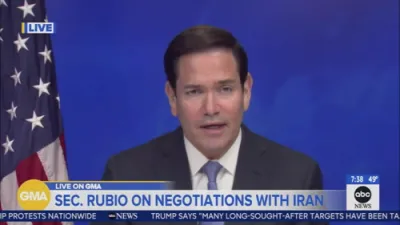
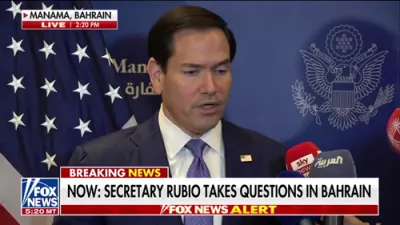
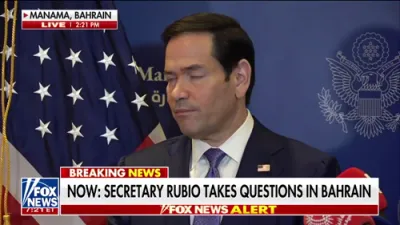
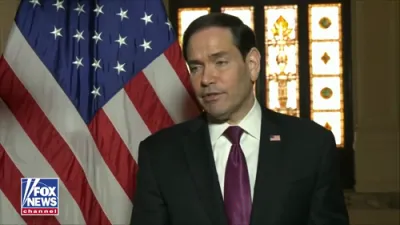
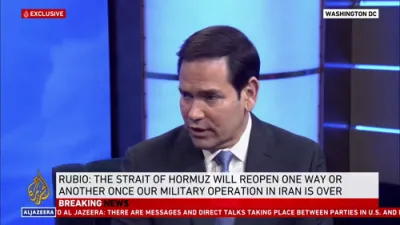
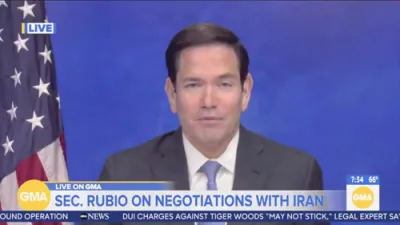
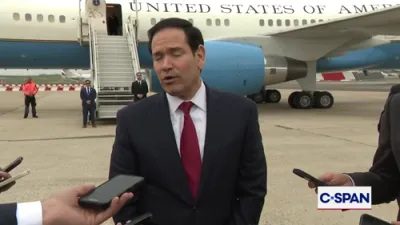
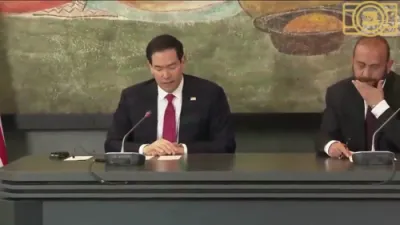
U.S. Secretary of State Marco Rubio delivered a forceful statement during a recent briefing, describing Iran as a “terroristic regime” and outlining the strategic objective behind ongoing U.S. military actions aimed at degrading Tehran’s missile and drone capabilities. According to Rubio, the United States is focused on eliminating Iran’s ability to carry out attacks using advanced weapon systems that have been repeatedly deployed against Israel and other regional allies.
Rubio’s remarks came amid heightened tensions in the Middle East and follow a series of U.S. military operations targeting Iranian-linked infrastructure and weapons facilities. The Secretary emphasized that Iran’s government has increasingly relied on what he described as “nation-state elements of terrorism,” referring to the use of ballistic missiles, cruise missiles, and one-way attack drones to strike civilian and military targets across the region.
“These are not isolated actions by rogue actors,” Rubio explained during the briefing. “This is a terroristic regime, and we are seeing them conduct terrorism using nation-state elements, using weapons like missiles and one-way attack drones. The objective of this mission is to destroy their ability to continue to do that.”
The statement reflects a significant escalation in the Trump administration’s approach toward Iran’s military network and its support for proxy groups throughout the Middle East. U.S. officials say Iran has spent years building and expanding a complex arsenal of missile systems and unmanned aerial vehicles, many of which have been transferred to allied militant organizations operating in Lebanon, Gaza, Syria, Iraq, and Yemen.
Groups such as Hezbollah and other Iranian-backed militias have used these weapons to target Israeli cities, military positions, and regional infrastructure. U.S. policymakers argue that these attacks represent a form of indirect warfare in which Iran projects power through proxy forces while attempting to avoid direct confrontation.
Recent U.S. operations have therefore focused on disrupting the production and deployment networks behind these weapons. American strikes have reportedly targeted Iranian missile manufacturing facilities, drone assembly sites, and naval assets believed to support weapons transfers throughout the region. According to officials familiar with the operations, the goal is not only to stop immediate threats but also to weaken Iran’s long-term capacity to supply advanced weaponry to its allies.
Rubio indicated that these actions are part of a broader strategy designed to defend Israel and other partners from escalating attacks linked to Iran’s regional activities. Since the start of the current conflict environment involving Israel and militant groups supported by Tehran, U.S. intelligence assessments have pointed to a growing number of missile launches and drone strikes tied to Iranian-backed networks.