סענאטאר טעד קרוז באשולדיגט קארלסאן אין פארשטארקן אנטיסעמיטיזם.
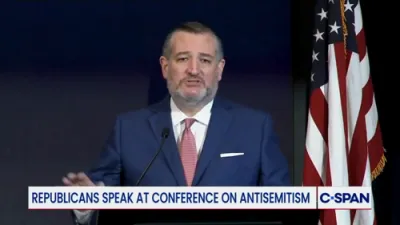
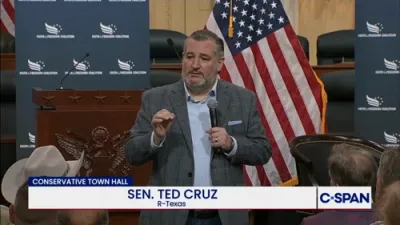
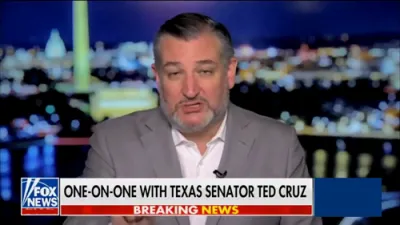
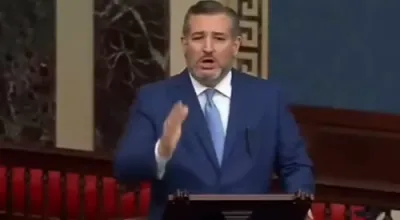
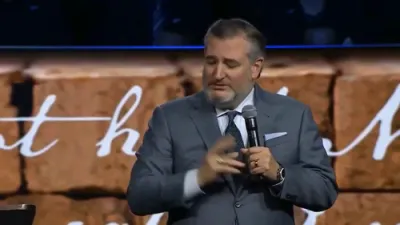
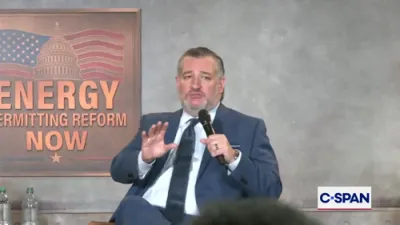
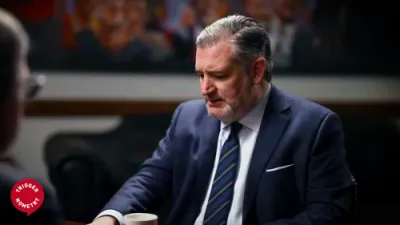
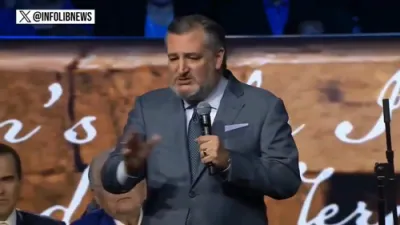
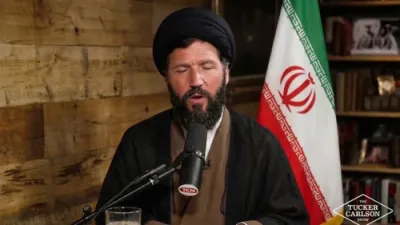
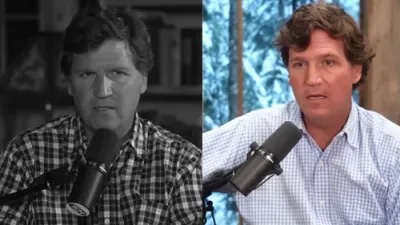
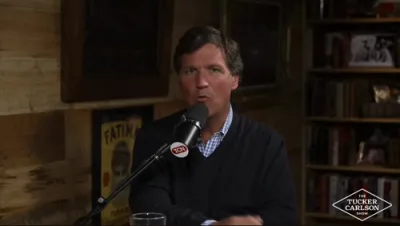
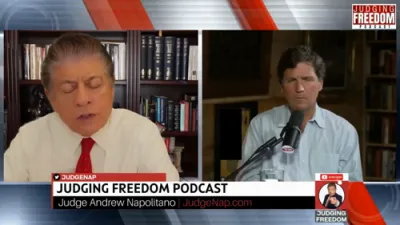
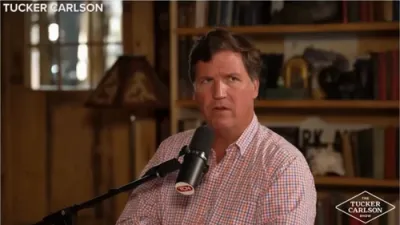
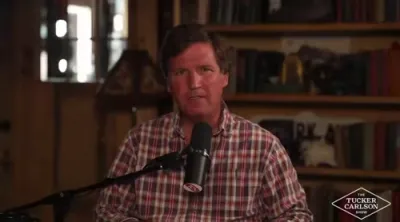
Senator Ted Cruz delivered sharp criticism of media personality Tucker Carlson during a major policy discussion on antisemitism, warning that influential voices who provide a platform to extremist narratives can have a profound impact on public discourse. Speaking on March 10, 2026, at a symposium hosted by National Review and the Republican Jewish Coalition, the Texas senator described Carlson as “the single most dangerous demagogue in this country,” arguing that certain media platforms have played a role in spreading ideas that fuel antisemitism and historical revisionism.
The event brought together policymakers, journalists, and analysts to address the rise of antisemitic rhetoric across political and cultural spaces. During his remarks, Cruz emphasized that confronting antisemitism requires challenging not only openly extremist figures but also influential commentators who, in his view, amplify controversial or fringe narratives without sufficient scrutiny.
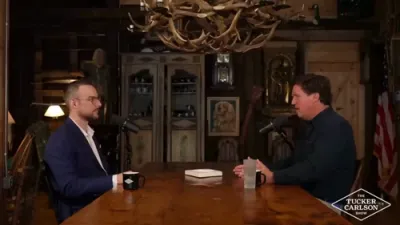
Cruz pointed specifically to interviews and discussions conducted by Carlson that have featured individuals accused of promoting revisionist interpretations of World War II history. According to the senator, some of these figures have advanced claims that attempt to recast historical responsibility for the war or diminish the role of Nazi Germany’s ideology and aggression. Cruz argued that providing a platform for such views risks normalizing ideas that historically have been associated with antisemitic movements.
One of the concerns raised by Cruz involves the potential impact such discussions may have on younger audiences. He suggested that media figures with large followings hold significant influence over political attitudes among younger conservatives and therefore carry a responsibility to challenge extremist claims rather than simply present them. In his view, failing to push back on those narratives can contribute to the spread of misinformation and ideological radicalization.
The senator contrasted these situations with the broader political consensus against openly extremist figures such as white nationalist activist Nick Fuentes. According to Cruz, condemning overt extremism is relatively straightforward because such individuals are widely recognized as outside the mainstream. The more complicated challenge, he said, arises when controversial ideas are introduced through widely viewed media platforms that maintain a broader audience.
Cruz’s remarks reflect a growing debate within conservative circles about the boundaries of acceptable political discourse and the responsibilities that come with large media audiences. Some commentators argue that open debate—even with controversial figures—can expose flawed arguments and strengthen democratic discussion. Others maintain that providing exposure to extremist voices risks legitimizing dangerous ideas and allowing them to reach new audiences.
The issue of antisemitism has become a particularly sensitive topic in recent years as governments, academic institutions, and community organizations report an increase in antisemitic incidents and rhetoric across various political and social environments. Discussions at the symposium focused on identifying the sources of these trends and determining how leaders across political, media, and civic institutions should respond.
For Cruz, the core message of his remarks was that confronting antisemitism requires vigilance not only against overt hate groups but also against narratives that distort historical reality or encourage conspiracy theories. He emphasized that defending democratic values includes preserving an accurate understanding of history and rejecting attempts to reinterpret events in ways that excuse or minimize extremist ideologies.
Carlson has not always responded directly to criticisms of this nature, but supporters of his work often argue that his interviews are intended to challenge establishment narratives and encourage open debate. Critics, however, say the format can allow controversial viewpoints to spread without sufficient fact-checking or context.
The exchange highlights the ongoing tension between free expression and the responsibility associated with influential platforms. As media ecosystems continue to expand across television, online streaming, and independent digital outlets, questions about how controversial viewpoints should be addressed remain central to broader conversations about political discourse in the United States.
Cruz’s remarks at the symposium underscore the seriousness with which some policymakers view the issue, framing it not simply as a disagreement over media personalities but as part of a larger effort to confront antisemitism and protect the integrity of historical truth.