טראמפ צילט אויף די 2028 אולימפישע בארעכטיגונג רעגולאציעס.
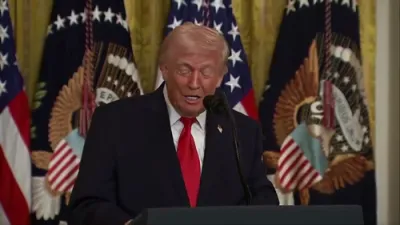
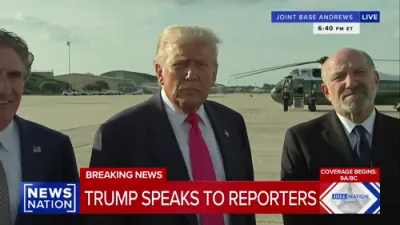
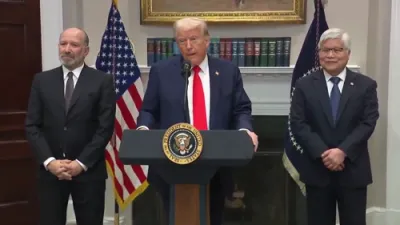
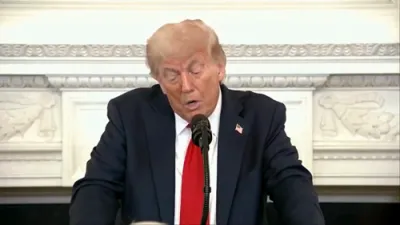
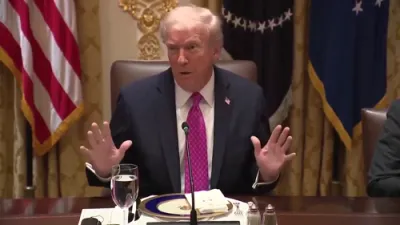
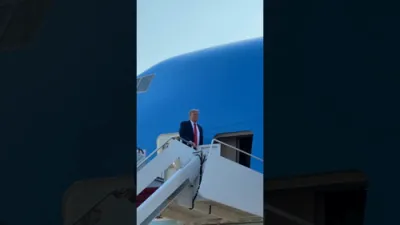
President Donald Trump announced a new executive order declaring that the United States will not allow men to compete in women’s events during the 2028 Summer Olympics scheduled to take place in Los Angeles. The statement was delivered during a speech on March 12, 2026, where the president framed the decision as part of a broader effort to preserve fairness and competitive integrity in women’s sports.
Speaking to supporters, Trump stated that the United States has a responsibility to protect female athletes and ensure that women’s competitions remain reserved for biological women. “We have put the world on notice that America will not allow men to compete against women in the 2028 Olympics,” Trump said. “We have the Olympics.”
The announcement builds on a policy position Trump has emphasized for years, particularly during his 2024 presidential campaign and throughout his administration’s broader cultural and sports-related policies. Trump and many supporters argue that allowing transgender women to compete in female divisions creates an uneven playing field due to biological advantages such as muscle mass, bone density, and physical performance differences that may persist despite hormone treatments.
The issue has become a major international debate in recent years as sports organizations around the world grapple with how to balance fairness in competition with inclusion policies. Various governing bodies have introduced different standards for eligibility, often involving hormone level thresholds or other criteria designed to regulate participation in women’s events.
The upcoming 2028 Olympic Games in Los Angeles have placed the United States at the center of this discussion. As host nation, the country plays a significant role in organizing the event alongside international governing bodies that oversee Olympic competition rules.
Trump’s executive order signals that the administration intends to take a firm stance in shaping how the issue is handled domestically as preparations for the Games continue. Supporters say the move protects the achievements and opportunities of female athletes who have spent years training and competing in women’s categories.
Critics of similar policies in the past have argued that restrictions targeting transgender athletes could limit participation and raise legal and human rights concerns. The debate has been particularly visible in Olympic governance circles, where international officials have struggled to establish uniform standards that can be applied across different sports and national federations.
The International Olympic Committee has previously allowed individual sports federations to develop their own eligibility rules, resulting in a variety of approaches depending on the specific physical demands of each sport. As the 2028 Games approach, those policies are expected to remain a major subject of discussion among international sports officials.
Within the United States, the topic has also played a role in broader legislative and regulatory efforts concerning women’s athletics. Several states have passed laws addressing eligibility rules for school and collegiate sports competitions, reflecting ongoing political and cultural debate about how gender categories should be defined in athletics.
Trump’s announcement signals that the issue will likely remain a central point of discussion as the Olympic Games draw closer. With Los Angeles preparing to host athletes from around the world, the intersection of sports policy, international governance, and cultural debates surrounding fairness in competition is expected to remain a prominent issue in the years leading up to the 2028 Olympics.
As preparations continue for one of the largest global sporting events, the administration’s position underscores its intention to prioritize what it describes as competitive fairness and the protection of women’s sports on the international stage.