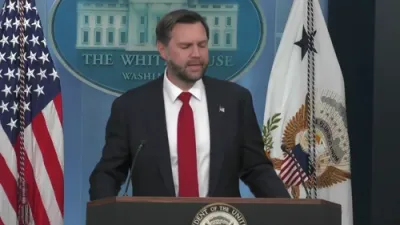
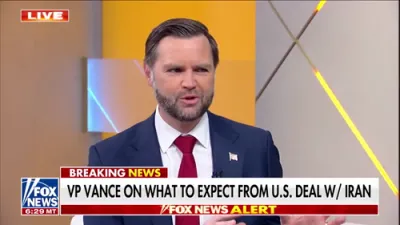
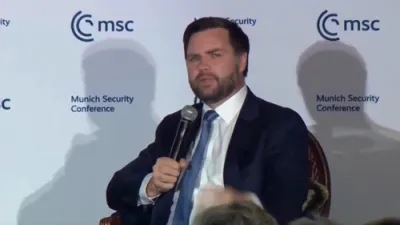
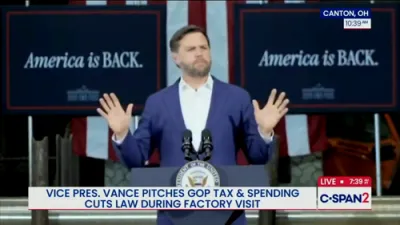
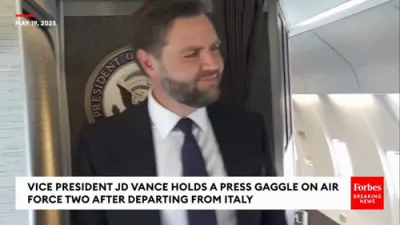
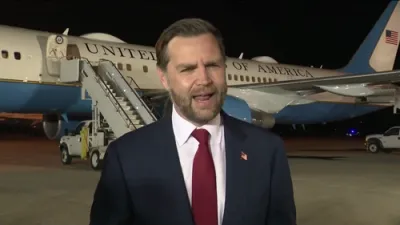
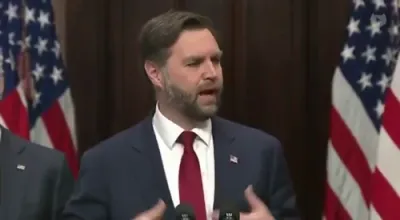
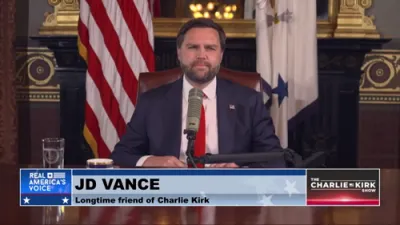
וויצע פרעזידענט ווענס זאגט אז פרעזידענט טראמפ האט צוגעגרייט די סטעידזש פאר אמעריקאנער ענערגיע דאמינאנץ.
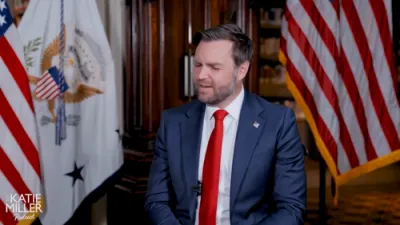
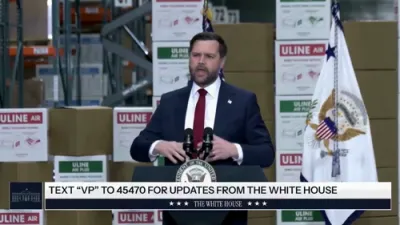
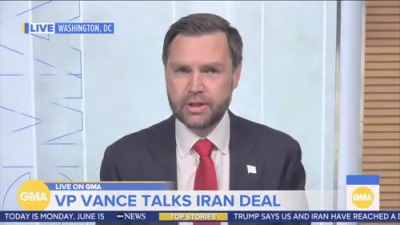
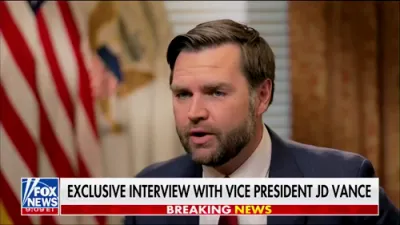
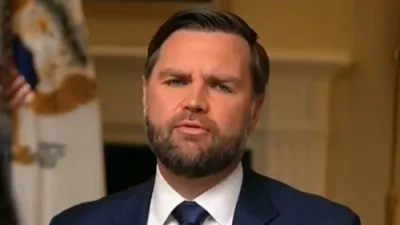
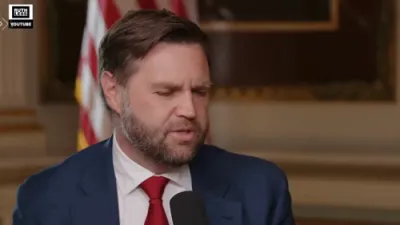
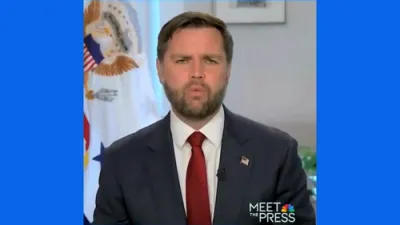
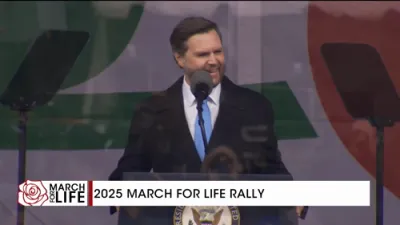
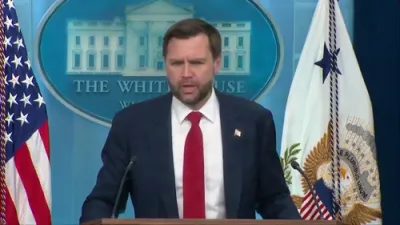
U.S. Vice President JD Vance said current gasoline prices reflect the long-term impact of policies implemented under President Donald Trump, arguing that the administration’s approach to energy production positioned the United States for what he described as renewed “energy dominance.” In a recent video statement, Vance contrasted present fuel costs with the sharp price spikes experienced during the previous administration, stating that Americans are now paying significantly less at the pump than they did at the height of the earlier energy crisis.
According to Vance, the difference stems from Trump-era efforts to expand domestic oil and gas production, reduce regulatory barriers, and strengthen American energy independence. He argued that these measures created a stronger supply base capable of stabilizing fuel markets even as global energy prices fluctuate. By encouraging domestic drilling, pipeline development, and broader investment in the U.S. energy sector, the policies were designed to reduce reliance on foreign suppliers and protect consumers from volatile international markets.
The vice president’s remarks come as gasoline prices in the United States have begun to rise slightly heading into the spring driving season. In mid-March 2026, the national average price reached approximately $3.58 per gallon. While higher than the sub-$3 levels seen earlier in the year, the figure remains considerably below the historic surge recorded in 2022 when prices climbed above $5 per gallon in many parts of the country during the global energy shock.
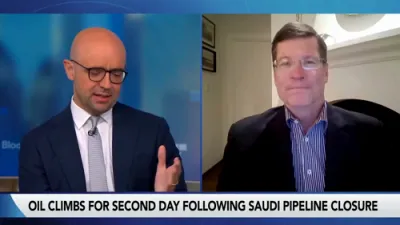
Energy analysts point to multiple factors affecting current fuel prices, including seasonal demand increases, global crude oil markets, and geopolitical tensions that have pushed oil prices close to $95 per barrel. Even so, supporters of the administration argue that expanded domestic production capacity has helped prevent another severe price spike similar to what occurred earlier in the decade.
Vance framed the situation as evidence that the United States is regaining control of its energy future. He emphasized that the concept of “energy dominance,” frequently promoted during Trump’s presidency, focuses on ensuring that American resources can meet domestic demand while strengthening the country’s position in global energy markets.
The broader policy debate over energy remains central to American economic and national security discussions. Advocates for expanded production argue that strong domestic output keeps fuel prices stable and protects consumers, while critics warn about environmental impacts and long-term reliance on fossil fuels. Nevertheless, the vice president’s comments highlight how energy policy continues to serve as a defining issue in the political conversation about economic stability and consumer costs.
As fuel prices remain a key concern for American households, the administration is continuing to promote its strategy of maintaining strong domestic production while monitoring global market pressures. Supporters believe this approach will keep prices manageable for consumers while reinforcing the United States’ position as a major energy producer on the world stage.